The Acadia National Park Island That Most Visitors Miss
Beyond the bustle of Bar Harbor you’ll find a sleepy island with more locals than tourists

If you think about it, the vast majority of the four million souls that bask in the beauty of Acadia National Park never leave Mount Desert Island. They queue for sunrise on Cadillac Mountain, loop the Park Road in bumper-to-bumper traffic, and eat popovers at Jordan Pond House alongside everyone else who read the same guidebook.
There’s nothing wrong with any of that, either. Cadillac Mountain is a seriously underrated chunk of National Park real estate. But there is another slice of Acadia, roughly 15 miles southwest across Penobscot Bay, on an island most visitors don't know exists.
The same park pass that gets you into Acadia's busiest car parks also gets you onto a 45-minute mail boat to an island with no restaurants, no gift shops, and no crowds. Isle au Haut is a miniaturised version of America's favourite coastal national park that almost nobody visits, and is the perfect spot to see a whole new angle.
Isle au Haut (pronounced "eye-la-HO") is six miles long, two miles wide, and home to fewer than 70 year-round residents. About half the island belongs to Acadia National Park. The other half is private land, a working lobster-fishing community where electricity didn't arrive until 1970 and telephone service followed only in 1988. Yeh, those vibes.
The name is French for "high island", given by Samuel de Champlain when he sailed past in 1604 and saw its trio of small mountains rising from the water. Four centuries later, its still fairly desolate, making it the ideal spot to take your Acadia National Park to a wilder level.
Getting There? Part of the Fun
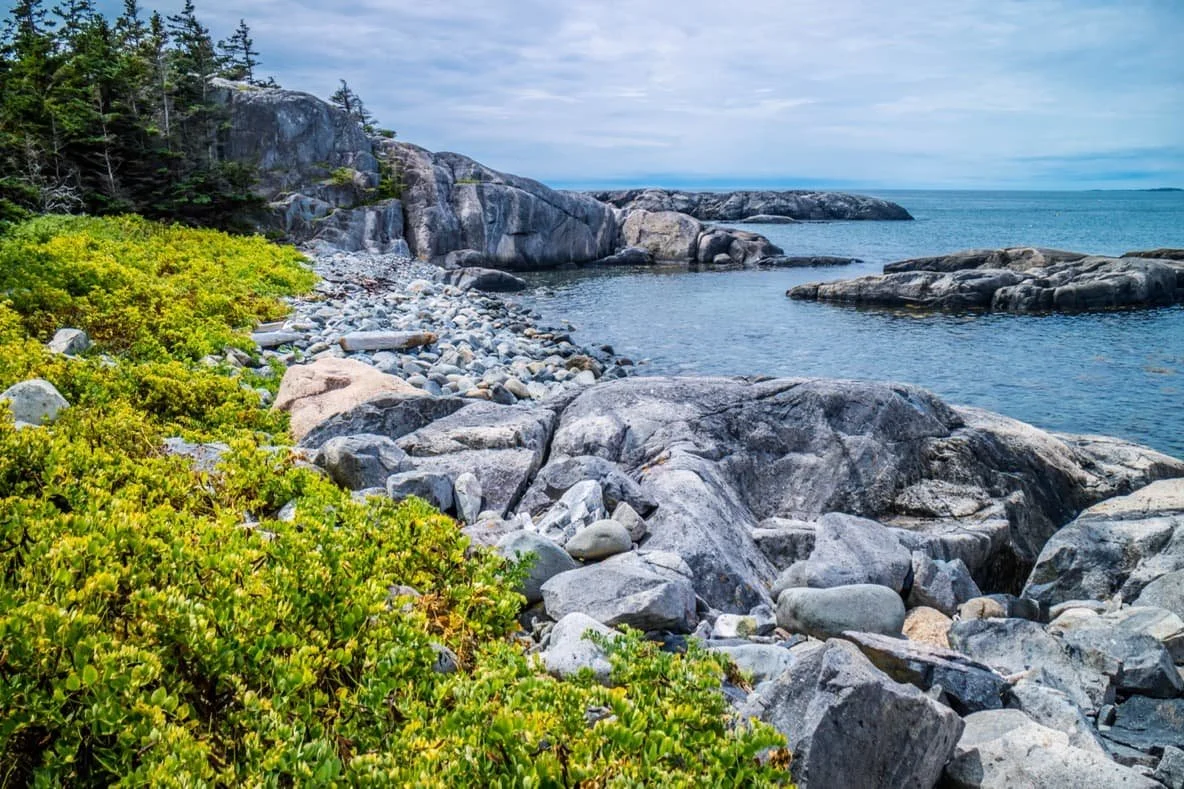
There is no bridge. No car ferry. No floatplane service. The only way to reach Isle au Haut without your own boat is the mail boat operated by Isle au Haut Boat Services, a nonprofit that has connected the island to the mainland for decades.
The mailboat service runs year-round from the fishing village of Stonington, at the tip of the Deer Isle peninsula, about a two-hour drive south of Bangor and roughly 90 minutes from Bar Harbor.
Two boats currently make the run: the Otter and the Mink (cute, huh?) The crossing to the town landing takes around 45 minutes through the scattered granite islands of East Penobscot Bay.
In summer, a second stop continues another 30 minutes south to Duck Harbor, a landing within the national park itself. It's the Duck Harbor run is the one you’ll want to take if you’re going for the hiking, as it drops you directly into the heart of the island's best terrain.
Seats are first come, first served, and the service occasionally sells out on busy summer days. The advice from regulars and the boat company alike is the same: arrive at the Stonington dock at least 45 minutes before departure, buy your ticket at the booth, and be ready to board.
The crossing itself is part of the experience; lobster boats work the waters on every side, and the boat still carries post, freight, and groceries alongside its passengers. Don’t expect cocktails and leather seats.
18 Miles of Trails and Almost No One on Them
The completely undeveloped southern half of the island hosts the national park section of Isle au Haut, and about 18 miles of hiking trails, and most of the time you’ll be alone on them. On a midsummer weekday, it's entirely possible to hike for hours and encounter only a handful of other people.
The best trails cluster around Duck Harbor, and the loop that most day visitors tackle combines three of them: the Duck Harbor Mountain Trail, the Goat Trail, and the Cliff Trail.
Duck Harbor Mountain rises only 314 feet, but don't let the modest elevation fool you. The trail scrambles over exposed granite ridgelines with sublime views out over the Atlantic in three directions. On a clear day, you can see the mountains of Mount Desert Island to the northeast and open ocean to the south.
The Cliff Trail, despite its dramatic name, is actually easier going, threading in and out of dark spruce forest along the island's rugged southern coast. The Western Head Trail continues the loop along cobblestone beaches and rocky coves before Western Head Road leads you back to Duck Harbor. Together, the circuit covers roughly four miles and takes 2-3 hours at a comfortable pace.
Don’t Expect Advanced Creature Comforts

Part of what makes Isle au Haut so striking is what it lacks. There are no visitor centres with gift shops, no shuttle buses, no concessions selling ice cream by the trailhead, just rocks, trees and the sound of the wind and waves.
Near the town landing, a small general store operates limited hours and a seasonal food truck has been known to serve lobster rolls, but don’t rely on them. Bring lunch, snacks and extra water.
The island has one composting toilet at Duck Harbor and a ranger station near town that's staffed seasonally from mid-May to mid-October. Mobile phone signal is patchy at best and make sure you get yourself back to the dock in time for the return boat. Missing the last ferry isn't an inconvenience you can solve with a taxi.
Although visitors are welcome, Isle au Haut's year-round community, a mix of lobster fishermen and their families, have resisted allowing hotels or advanced tourist infrastructure. The island isn't a theme park dressed up as wilderness. People live and work there.
However, You Can Sleep Over
If you really want to, there’s now one option for an overnight stay after the closure of the Keeper’s House, the only inn on the island. Duck Harbor Campground is beautifully basic: five lean-to shelters, each sleeping up to six, with fire rings, picnic tables, and composting toilets. You’ll need to bring drinking water too.
Reservations open on 1 April each year through Recreation.gov, and peak summer dates, particularly July and August weekends, book within hours. The campground sits just south of the Duck Harbor boat landing, so arriving by the seasonal ferry drops you almost at your shelter.
Is Isle au Haut Worth the Effort?
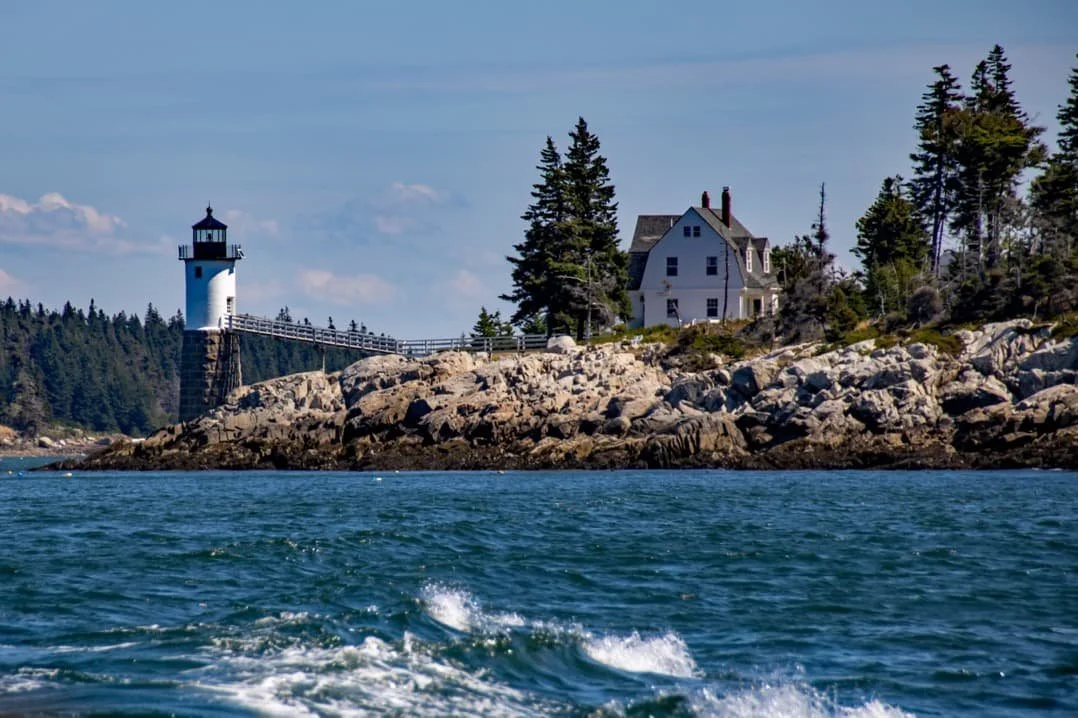
Hopping over to Isle au Haut isn’t exactly easy or convenient, but that's the whole point. It's not a polished, accessible version of Acadia designed for the largest possible audience. It's the real thing: granite cliffs, spruce forests, cobblestone coves, and the sound of the Atlantic with no car traffic behind it.
The mail boat crossing, the limited schedule, the absence of anything resembling a tourist infrastructure, these are features, not drawbacks. They're what keep the island feeling the way most of Acadia probably felt half a century ago.
Four million people visit this national park every year. On any given summer day, Isle au Haut accounts for perhaps a few dozen of them. So if you absolutely can’t make it to Acadia during the shoulder season, and you despise crowds, then yes, hopping the mailboat and rubbing shoulders with a few lobstermen sounds like it’s absolutely worth the effort.
Isle au Haut is part of Acadia National Park. For ferry schedules and fares, visit Isle au Haut Boat Services. Duck Harbor Campground reservations open on 1 April each year at Recreation.gov.
