This Gorgeous Valley an Hour and a Half from Pisa is Still Under the Radar, For Now
The beautiful Italian region of Garfagnana boasts castles, stunning scenery and protected produce
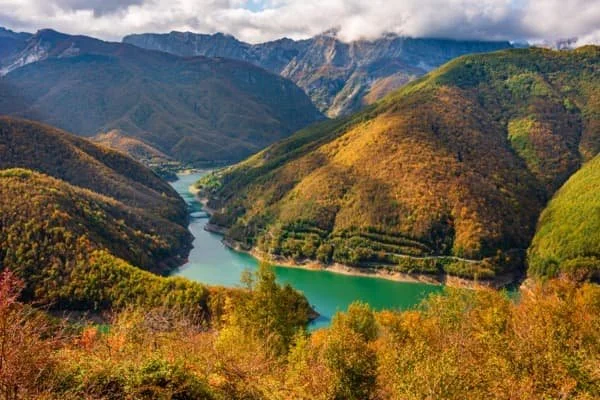
Most people who fly into Pisa head south or east, to Florence, to Siena, to the rolling Chianti picture postcard parts of Tuscany. Almost nobody turns north. That's the Garfagnana's quiet advantage, and it has been for centuries.
Carved by the Serchio River between the marble peaks of the Apuan Alps to the west and the softer, greener Apennines to the east, the Garfagnana is a valley of about 1,000 square kilometres in the province of Lucca. It sits barely an hour and a half from Pisa's airport, 30 minutes from Lucca's city walls, and yet it doesn’t quite hit the front pages of the Tuscany tourist brochures.
There aren’t any cypress-lined driveways here, no villa-hotel complexes surrounded by Sangiovese vines. Instead, you’ll find chestnut forests so thick it darkens the road at midday, medieval stone hamlets with populations in the low hundreds, and a food culture built on ancient grains, cured pork, and mountain soups that haven't changed in generations.
The Grain That Defines the Valley
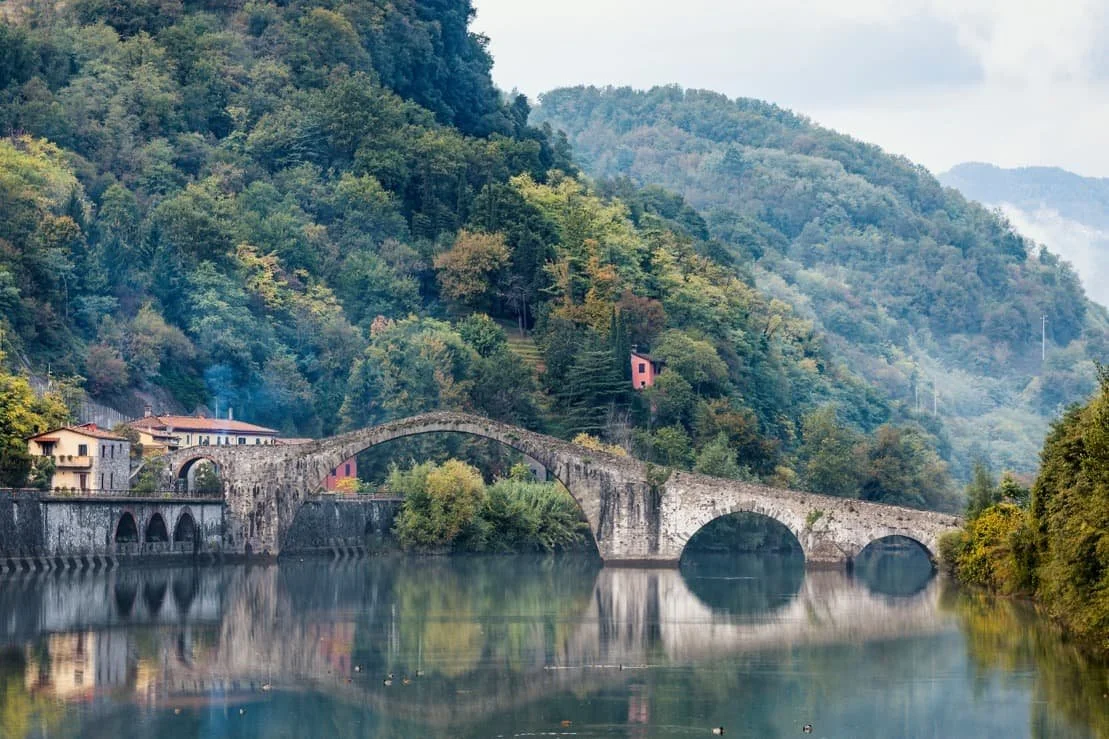
That export is farro, an ancient emmer wheat that has been cultivated in the Garfagnana since well before the Romans arrived. In 1996, Farro della Garfagnana became the only spelt in Italy to receive IGP (Protected Geographical Indication) status.
Around 50 producers farm roughly 200 hectares across the valley, all between 300 and 1,000 metres above sea level, all using organic methods. The grain is still processed in traditional stone mills.
You'll find it everywhere. In winter, that means zuppa di farro, a thick, slow-cooked soup of spelt, borlotti beans, cavolo nero, and whatever else the season provides, finished with a heavy pour of local olive oil. In summer, insalata di farro, served cold with tomatoes, olives, and fresh herbs. It appears on practically every menu in the valley, and if the kitchen is any good, you can taste the difference from the supermarket stuff.
For a proper introduction to the valley's food, Vecchio Mulino in Castelnuovo di Garfagnana is the place. More enoteca and old-fashioned alimentari than sit-down restaurant, it's run by Andrea Bertucci, a committed Slow Food advocate.
There's no hot kitchen. Instead, the marble counter is lined with local charcuterie, cheeses, and a farro salad served with potato bread. The speciality of the house is biroldo, a traditional Garfagnana blood sausage, made from pork head, entrails, and blood, spiced and slow-cooked for hours. Try it first, ask how it's made second if the sound of that makes your lips curl. The spelt beer is said to be excellent too.
For something more substantial, Ristorante Da Michele in Tereglio, a tiny village above the valley floor near Lucignana, serves handmade tordelli (the local name for filled pasta; call them tortelli here at your peril) and porcini dishes.
Barga and Its Unlikely Scottish Accent
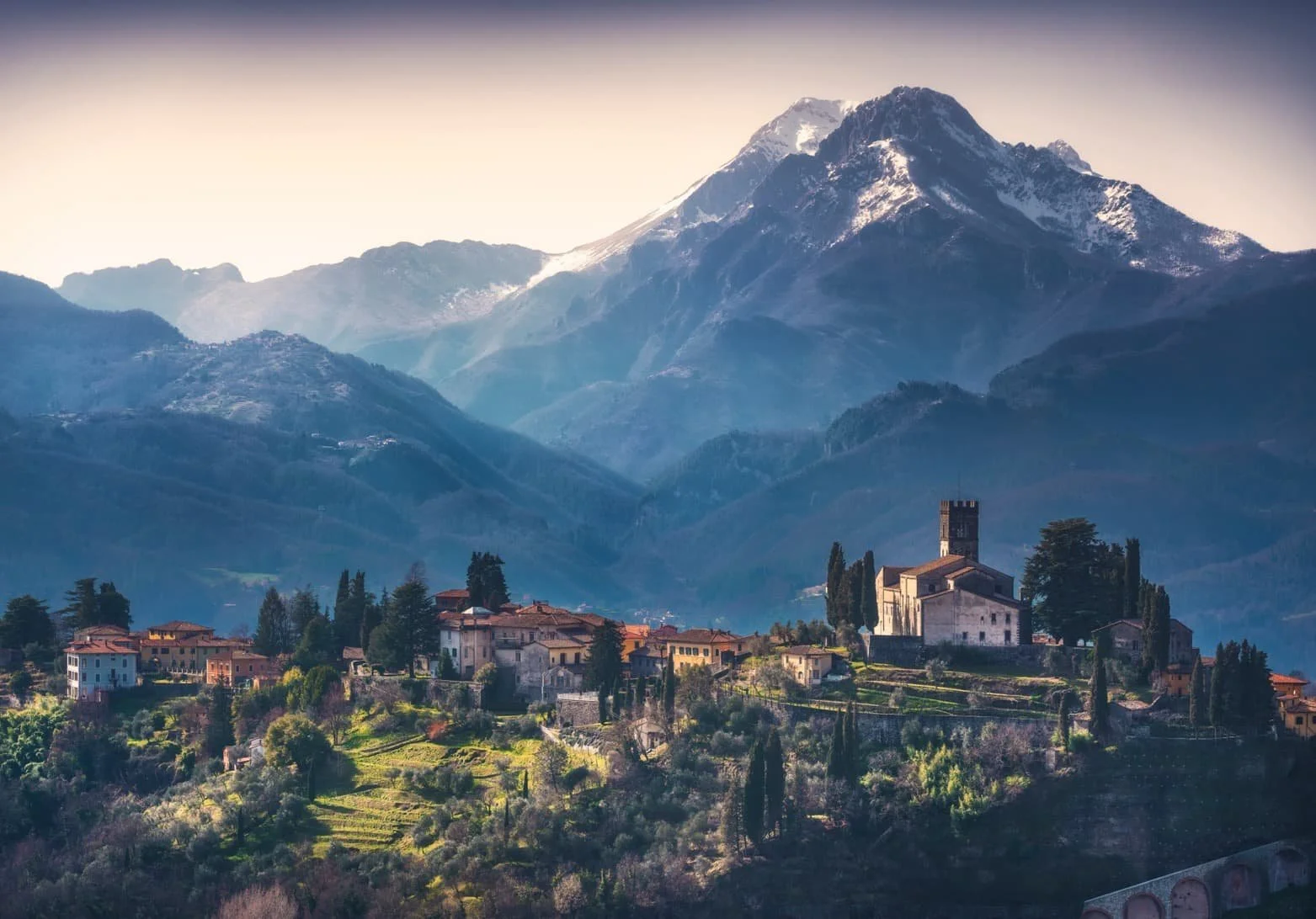
Barga is where many visitors base themselves. It has a decent concentration of restaurants, bars, and accommodation in the area, and it holds the official designation of one of Italy's Borghi più belli, or Most Beautiful Villages.
The town climbs a steep hill to its Romanesque cathedral, the Collegiata di San Cristoforo, which dates to the 11th century and offers one of the finest viewpoints in the valley. On clear evenings, the sunset aligns with the natural stone arch of Monte Forato on the horizon, a phenomenon that occurs only twice a year and draws a small, knowing crowd.
What really sets Barga apart is its bond with Scotland. In the late 19th century, a wave of emigration took hundreds of Barghigiani to Glasgow, Edinburgh, and the west coast of Scotland, where they opened ice cream parlours and fish and chip shops.
Many returned after the Second World War; others stayed and sent their children back for summers. Today, an estimated 60% of Barga's 10,000 residents claim Scottish relatives. A red British telephone box, shipped from Scotland by a former chip shop owner, stands in the town centre and operates as a book exchange, billed, with characteristic understatement, as the smallest library in Tuscany.
Every September, the town hosts a Scottish Festival with bagpipes, kilts, and Highland games. In July and August, the Sagra del Pesce e Patate fills the local football stadium (named after Johnny Moscardini, a Falkirk-born striker who played for Italy) with trestle tables and deep-fried cod in beer batter. Washed down, naturally, with a glass of Chianti. The Barga Jazz Festival in August is well-established and worth planning around too.
Underground and Above the Treeline
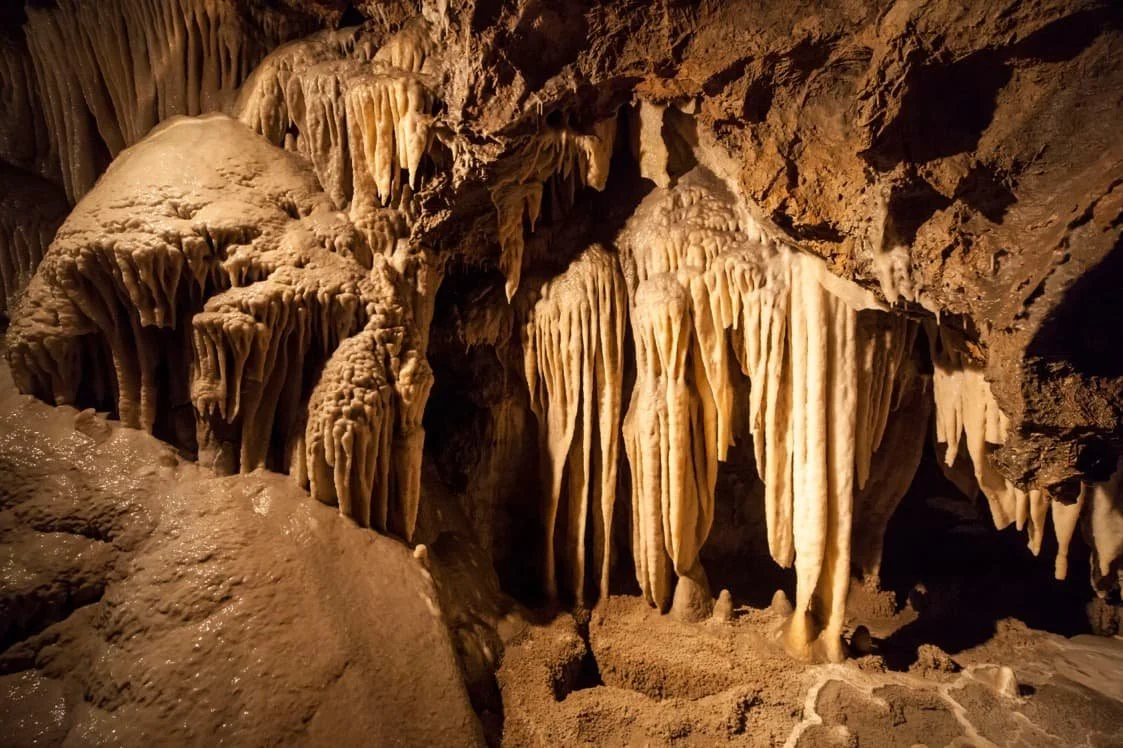
The Garfagnana's natural set pieces are properly dramatic. The Grotta del Vento, or Wind Cave, sits deep in the Apuan Alps Park near the village of Fornovolasco, reached via a narrow mountain road from Gallicano (about 12km, not for nervous drivers).
The cave takes its name from the powerful air currents generated by its two openings, one at 642 metres and one at 1,400 metres. Inside, the temperature holds at a constant 10.7°C year-round. Three guided itineraries range from one hour and 300 steps to a full three-hour, 1,000-step descent past stalactites, underground lakes, and a 90-metre vertical shaft.
Grotta del Vento is open every day except Christmas, though the longer routes are available only from April to November. Book ahead in summer. The first itinerary is flat enough for families, but the third is not recommended for anyone with vertigo or access requirements.
Above ground, the Orecchiella Nature Reserve on the Apennine side offers gentler walking through beech and fir forests, with a cute nature museum at the entrance that’s ideal for families.
Another good stop off is the Fortezza delle Verrucole, near San Romano in Garfagnana. The restored medieval fortress sits above the valley with views that stretch across both mountain ranges, making it a worthwhile detour if you’re heading north through the valley. If you’ve got any time left over, consider exploring the hillsides on horseback.
Where to Stay
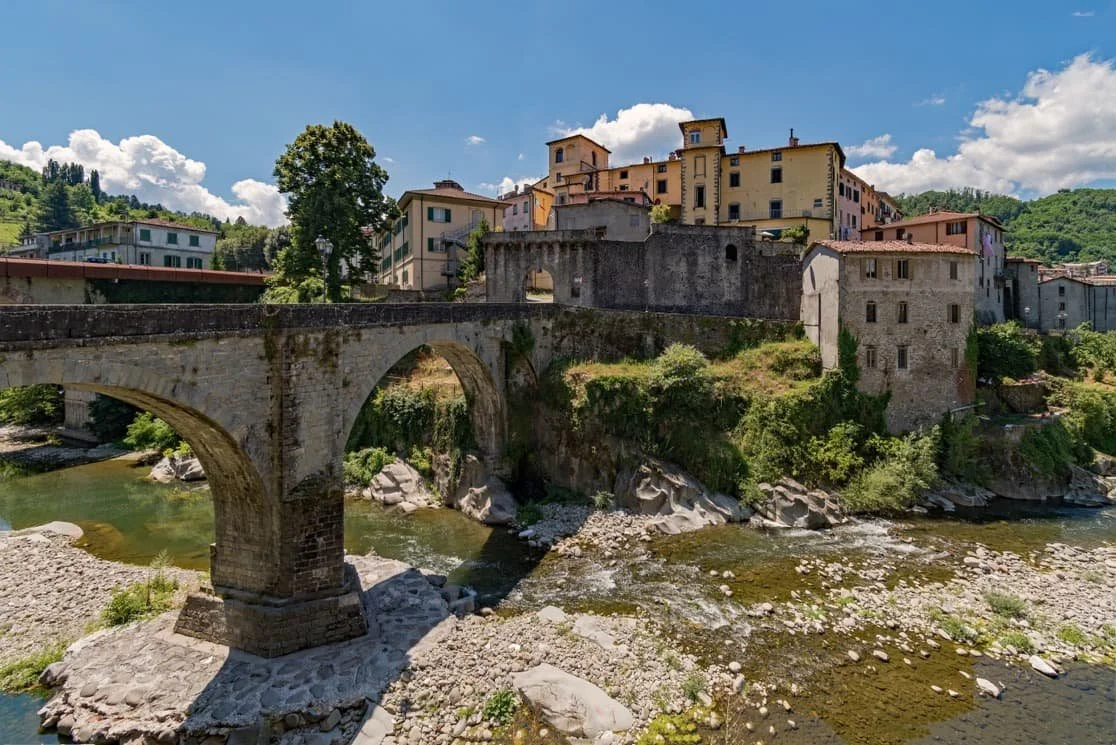
The Garfagnana doesn't do glossy — and that's the point. What you'll find instead are places with soul.
Renaissance Tuscany Il Ciocco Resort & Spa is the valley's one proper resort: 180 rooms on a vast hillside estate above Barga, with pools, a spa, and views that sweep from medieval rooftops to the Apuan Alps. It's a Marriott, so don't expect boutique charm.
Borgo Giusto is something else entirely. A 17th-century stone village near Borgo a Mozzano, reimagined as an albergo diffuso — a "scattered hotel" where you sleep in restored houses with chestnut beams and terracotta underfoot. There's a pool, a spa, and a kitchen that cooks straight from the estate's own olive groves. Suites and farmhouses sleep up to 12, and Lucca is 20 minutes down the road.
For a no-fuss base in the valley's main town, Hotel La Lanterna in Castelnuovo has a decent restaurant and a seasonal pool. But if you really want to feel this place, try Il Pradicciolo, a working farm stay just outside town, where the rooms are simple, the food is home-cooked, and the silence will make you question every city break you've ever taken.
Getting There, and When to Go
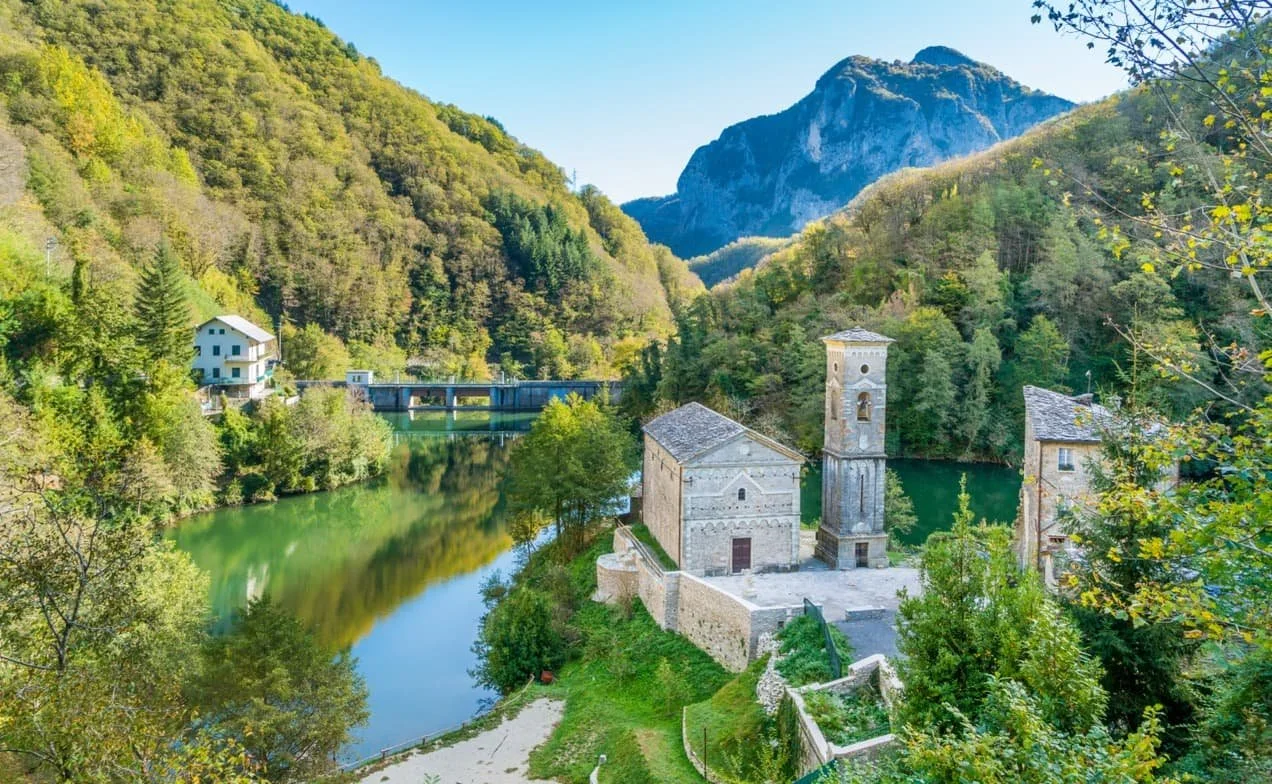
Pisa's Galileo Galilei Airport is the obvious gateway. The drive north via Lucca takes around an hour on the SS12, which follows the Serchio upstream through increasingly dramatic scenery.
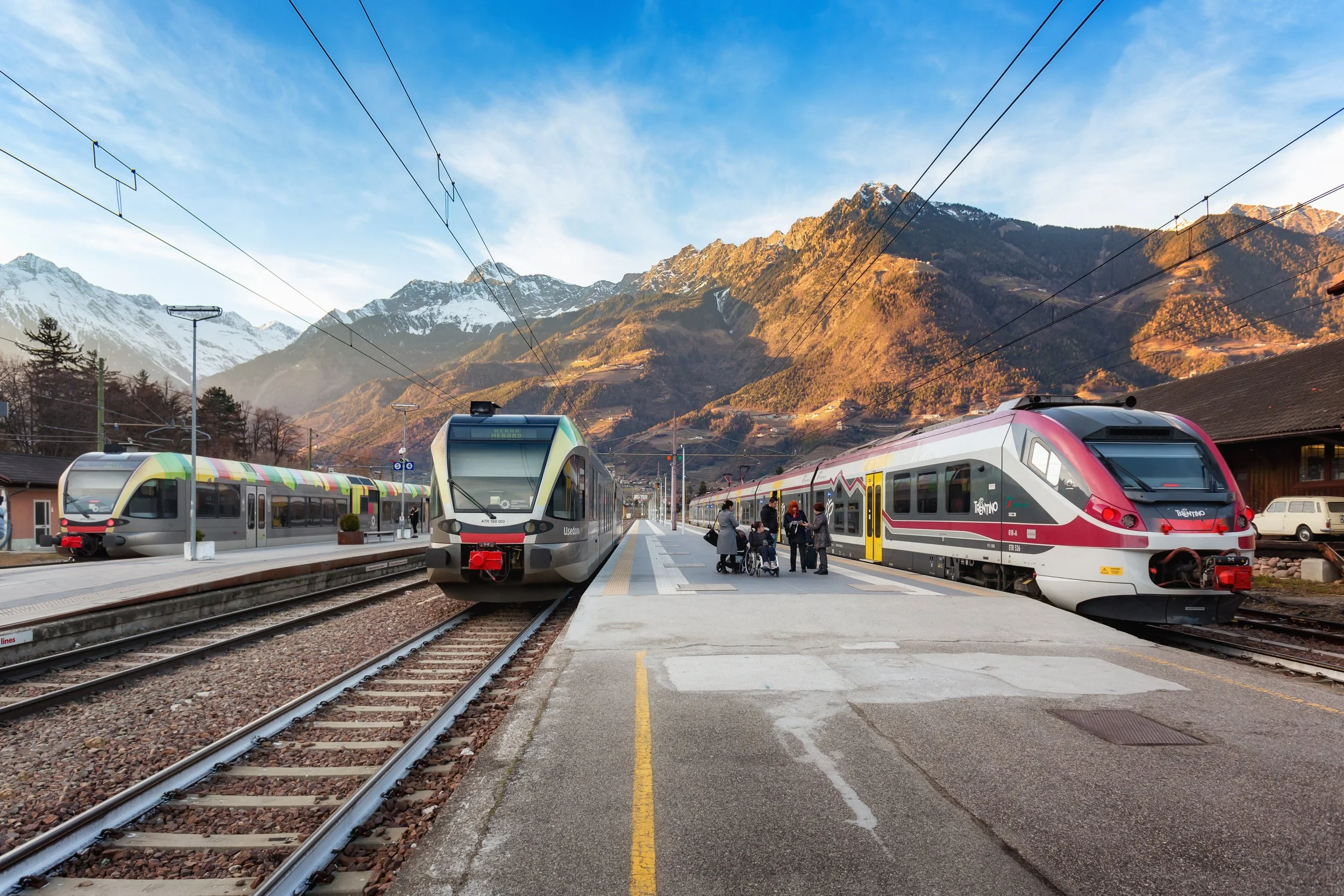
A car is more or less essential once you're in the valley. The side roads, cave approaches, and scattered hilltop villages are difficult to reach any other way, and local buses or even taxis don’t really exist. That said, getting here by rail is more straightforward than you might expect. Trains from Pisa and Lucca run along the Serchio valley several times a day, with stops at Barga-Gallicano and Castelnuovo di Garfagnana.
The train is slow, in the best possible way. The line hugs the river through gorges and chestnut forest, and it's a far more pleasant arrival than the toll plazas and ZTL anxiety that can come with driving through Tuscany.
If you're weighing up whether to hire a car in Italy at all, we'd suggest reading this first. The compromise many visitors land on is arriving by train and picking up a hire car in Castelnuovo for a day or two, then leaving it behind again.
For more on the region, the Garfagnana tourism board and Visit Tuscany are good starting points.
Read Next