Three-Day Paris Art Museums Travel Itinerary
A weekend or midweek speed run of Paris’ elite art museums
Paris has more great art per square kilometre than almost anywhere on earth. But the city's museums are far from storage facilities for masterpieces. Almost all of them tell their own story, sharing incredible architecture, philosophical statements, and immersive worlds in their own right.
Sure, you’ll see the Mona Lisa and Monet’s Water Lillies if you follow this itinerary. But you’ll also see other angles of Paris’ place in the art world, some more complex than others.
This itinerary is designed to whisk you through the essentials, with two or three institutions per day packed into the schedule. However, there should be enough time to absorb what you're seeing rather than just simply ticking it off. So expect some early starts and a slightly quicker pace to squeeze it all in.
Best time
Early Spring
Budget
High End
Pace
Flat out
Hotels
$$$$$
Day One
The Louvre, Tulieres Garden, Musée de l'Orangerie
08:30
Musée du Louvre
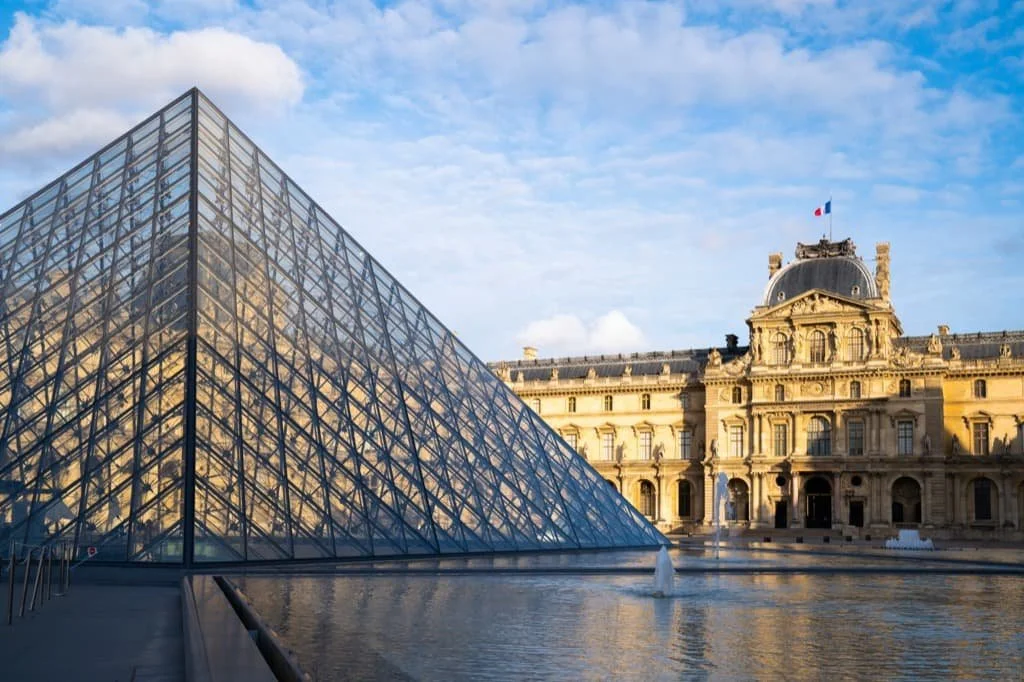
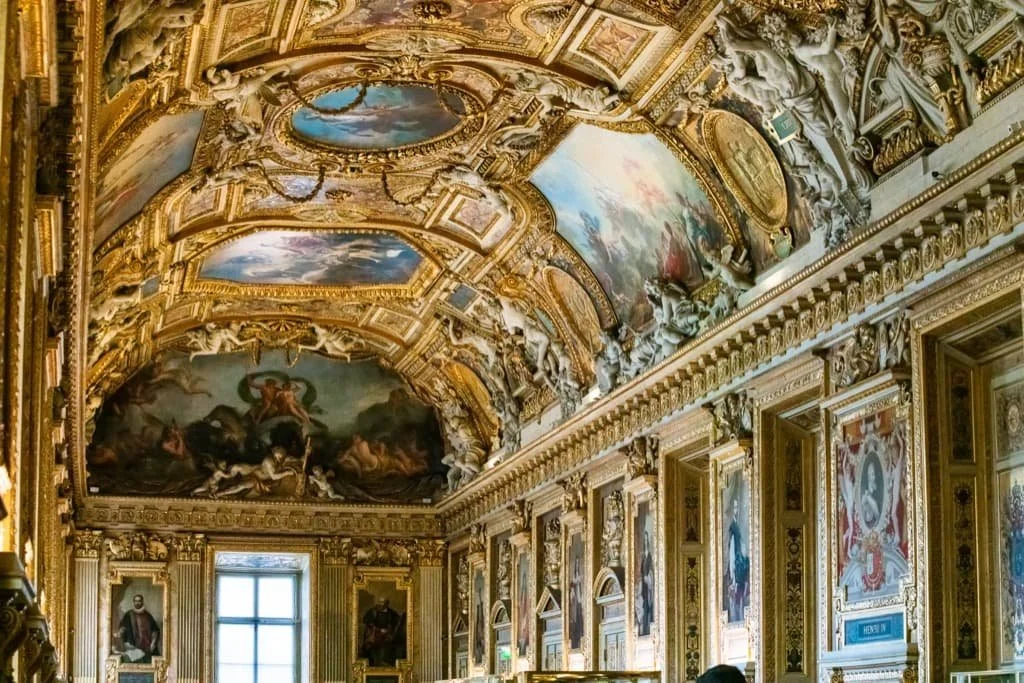
You can’t visit Paris on a museum-specific trip and skip The Louvre, hence it’s placing right at the start. Forget entering through the Pyramid (you’ll waiter an age) and head to the lesser-known Carrousel entrance as long before opening as you can tolerate. It can mean the difference between a 30-minute queue and a 2-hour one. Alternatively, join a tour that specifically offers a skip the line option.
You could spend a week in this place, so get through it in a few hours this way. Begin with the Denon Wing and work your way to Greek Antiquities. the Winged Victory of Samothrace demands to be seen before the crowds arrive. Same for the Venus de Milo.
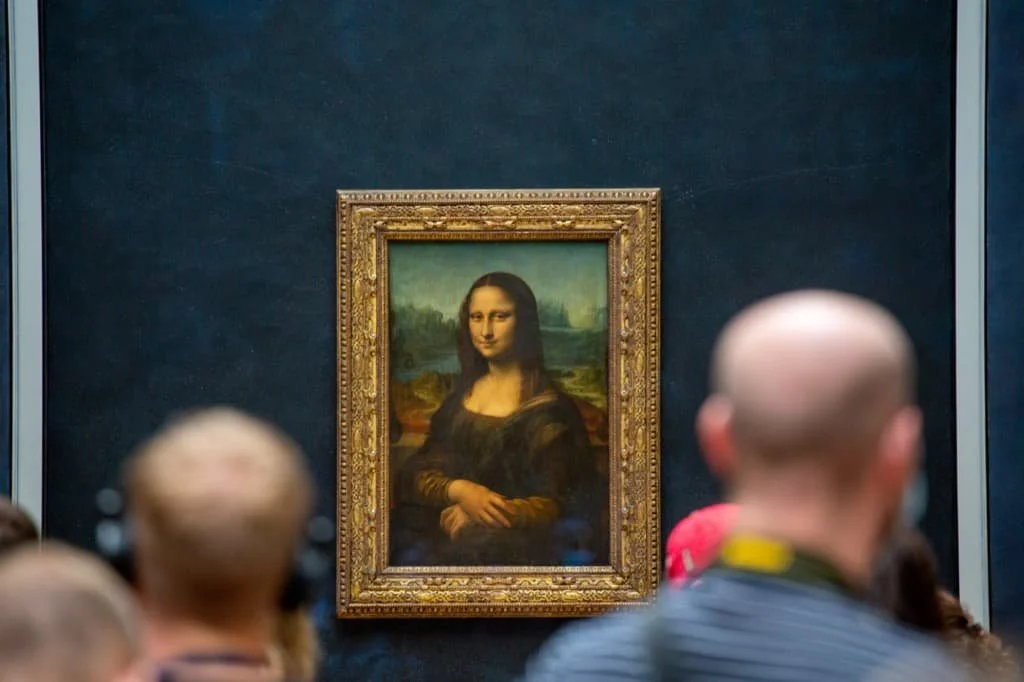
As you probably already know, the Mona Lisa is smaller than you expect and busier than you imagine, so visit her last, not first, and deal with the crowds. You’ll never get a photo of her without at least someone else in it. Although she’s a critical must-see, let the museum’s cacophany of arguably more impressive artworks be the main event.
Allow four hours as a minimum, but don’t be disappointed at missing entire sections; the permanent collection spans 35,000 objects across 60,600 square metres, so you never stood a chance at seeing it all, even with a full day.
13:00
Jardin des Tuileries
The formal axis connecting the Louvre to the Place de la Concorde is one of Paris's most famous glorious green breathing spaces. Walk the central allée, pick up a crêpe and coffee from a kiosk if the weather allows, and let your eyes and feet decompress before the afternoon session. The garden's Jeu de Paume, now a photography museum, is worth a glance if contemporary image-making interests you.
14:00
Musée de l'Orangerie
Your trip’s second museum is housed in the former royal greenhouse at the garden's western edge. l'Orangerie was basically built around Monet's eight Water Lilies panels, with the rest of the art following on as the crowds grew.
Descend into the two oval rooms and you'll understand exactly why he conceived them as a refuge, an asylum of peaceful meditation.
The lower-ground Walther-Guillaume Collection adds Cézanne, Renoir, Matisse, and Picasso to a near-perfect afternoon. Two hours here feels generous and correct, and allows you some extra time to explore more of the 1st arrondissement, or maybe just wallow in the hotel spa for the rest of the afternoon.
T O N I G H T ‘ S T A B L E
Le Grand Véfour
Palais-Royal · Classic French · 17 Rue de Beaujolais, 75001
One of the oldest restaurants in Paris is tucked into the arcades of the Palais-Royal. Its painted glass panels and gilded ceilings are essentially untouched since the Napoleon's era. Chef Guy Martin's cuisine is rigorously classical and the setting is theatrical without being pretentious. Book well in advance as this is an experience as much as a meal, and tables for two fill quickly regardless of the night or time of year.
Day Two
Musée d'Orsay, Musée Rodin, Musée de Cluny
09:00
Musée d'Orsay
Today is a busy one, so think pastry and a coffee on the way, rather than a lavish breakfast and a mid-morning start.
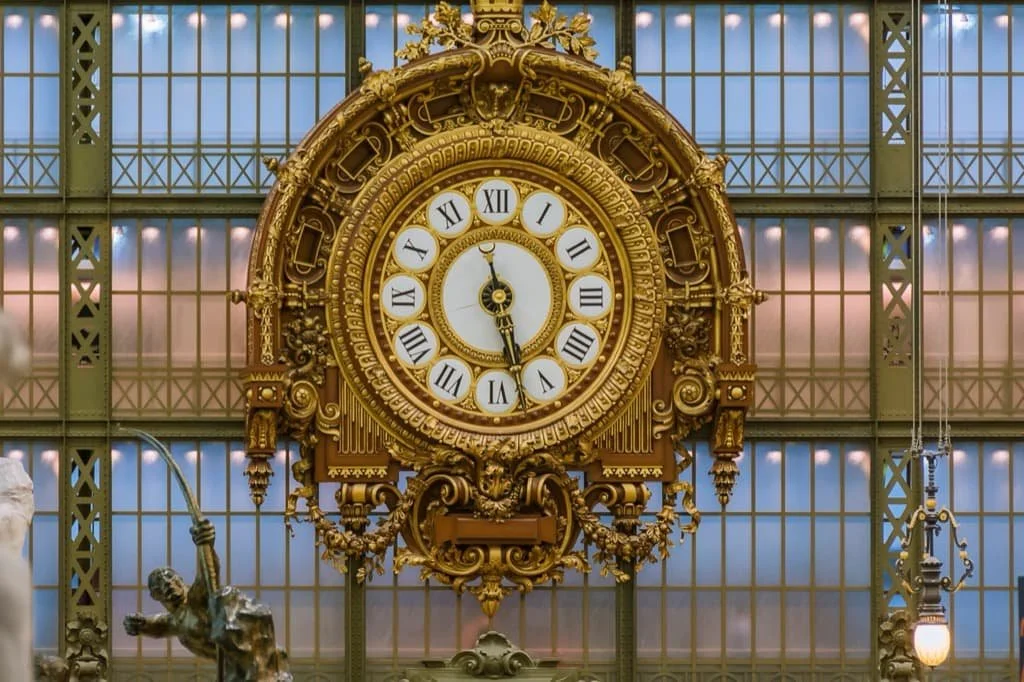
The Gare d'Orsay, once a busy train station, was transformed into what is perhaps the world's most beautiful museum space, the Musée d'Orsay. The vaulted Beaux-Arts railway station, whose clocks still tell the time, sit above open-plan Impressionist galleries.
The collection spans 1848–1914 and is definitive. In a single space, you can browse Van Gogh's self-portraits, Monet's Rouen Cathedral series, Degas's dancers and ponder over Manet's scandalous Olympia.
A good tip is to head directly to the top floor for the Impressionists before the crowds get up hat high, and work your way back down. Don’t miss the roof terraces overlooking the Seine for an incredible photo opportunity.
13:30
Musée Rodin
A ten-minute walk into the 7th arrondissement brings you to the Hôtel Biron, the mansion and gardens where Auguste Rodin lived and worked until his death.
His most famous worl, the original sculpture of The Thinker, broods in the garden beside The Burghers of Calais. His dramatic The Gates of Hell commands an entire courtyard wall.
Back inside you’ll find bronzes, marbles, and Rodin's own art collection including works by Van Gogh. On a clear afternoon, the garden alone justifies the visit. Find a bench and enjoy the view.
15:30
Musée de Cluny
If you’ve still got steam, then head across the Seine into the Latin Quarter for one of Paris's most quietly extraordinary institutions.
The Cluny sits on Roman baths dating from the 1st century AD and houses the Lady and the Unicorn, a set of six tapestries woven in the early 16th century that remain among the most enigmatic and beautiful objects in European art.
The medieval collection (altarpieces, goldsmithery, illuminated manuscripts) offers a change after a day spent in 19th-century salons, with an often more raw and simple craftsmanship a pleasing contrast to the broad strokes and hidden allegories of the impressionists et al.
Round off your visit with a glance the freshly-restored Notre Dame or a stroll around the glorious Jardin du Luxembourg, both a few minutes’ walk in either direction before heading back to freshen up.
T O N I G H T ‘ S T A B L E
Semilla
Saint-Germain-des-Prés · Modern Bistro · 54 Rue de Seine, 75006
An open kitchen, a serious natural wine list, and a daily-changing menu that takes seasonal produce with the same intellectual rigour the 6th arrondissement applies to philosophy. Semilla is the antithesis of tourist-trap Saint-Germain: it attracts a local crowd who know what they're doing. The grilled dishes over the wood fire are reliably excellent. Bookings essential.
Day Three
Musée Picasso, Musée Carnavalet
10:00
Musée Picasso Paris
Your final day is an opportunity to browse two slightly smaller and more intimate Paris museums, so treat yourself to an extra half hour in bed or a longer breakfast.
A short walk into the upper Marais brings you to the Hôtel Salé, a 17th-century townhouse that now holds the most comprehensive Picasso collection in the world, assembled largely from the artist's personal estate.
Over 5,000 works move chronologically through his Blue Period, Rose Period, Cubist experiments, and late work. These are the pieces Picasso never sold, kept because they meant something to him personally, making the collection feel special indeed.
13:00
Musée Carnavalet — Histoire de Paris
Your last Paris Museum is criminally undervisited, especially when you consider entry is free.
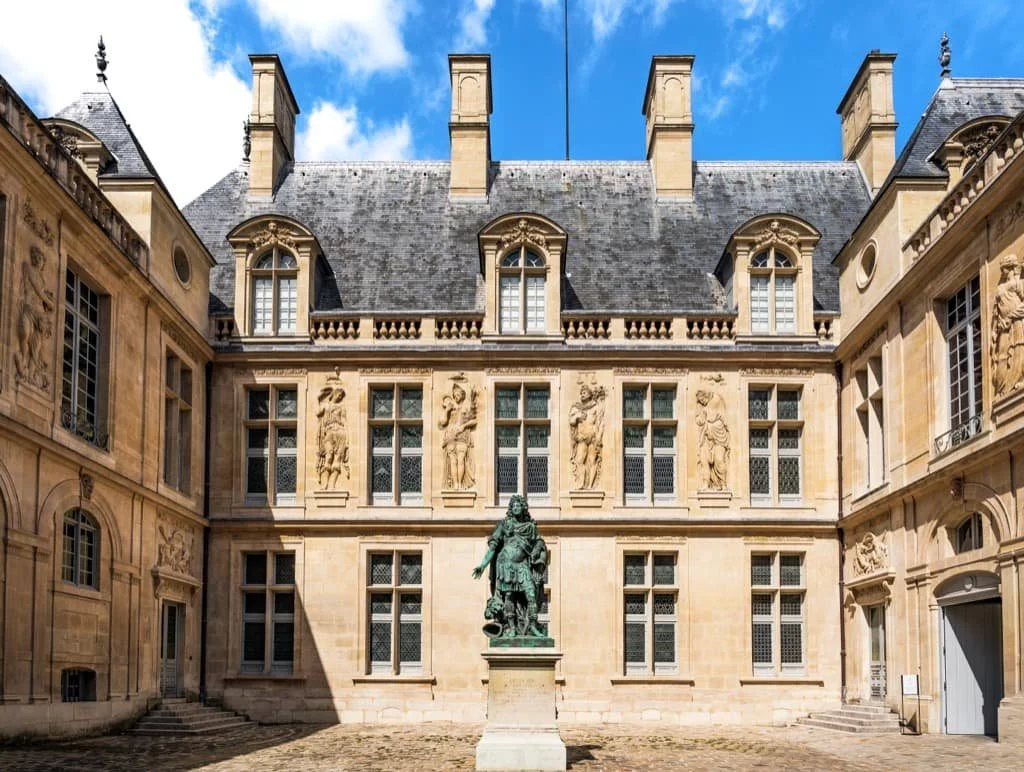
Spread across two 16th-century mansions and a series of courtyards, Carnavalet charts the entire history of Paris, from Neolithic dugout canoes found beneath the Seine to Marcel Proust's reconstructed bedroom.
Although the history element is interesting enough, the rooms themselves are the works of art. Most are listed historical monuments, many with their original woodwork and painted ceilings intact.
Spend an hour here as the late afternoon light falls through the courtyard windows and you'll see art that leaves a lasting impression, offering a great way to round out your Paris art museum trip.
L I G H T L U N C H
Breizh Café
Le Marais · Breton Crêperie · 109 Rue Vieille du Temple, 75003
The Marais location of this celebrated Breton crêperie remains one of the most satisfying meals Paris has to offer. Buckwheat galettes are complemented by Bordier butter, aged comté and hand-dived scallops and the Breton cider list is taken as seriously as the food. It is casual, convivial, and exactly the right way to end three intensive days of art-looking. Arrive at opening or book ahead as the queue forms quickly.
Paris Museum Opening Hours & Closed Days
Many of Paris’ museums operate differing schedules to accommodate increased demand (The Louvre opens later on certain days) and close entirely on other days, usually Mondays or Tuesdays, for cleaning, restoration or even to protect the artworks. This can make planning museum visits tricky if your trip falls on a closure day.
Luckily, we’ve built a Paris museum opening time checker – just choose the day you’re thinking of visiting and you’ll see straight away if the museum is open or not!
Paris Museum Passes & City Cards

The Paris Museum Pass is the single most important purchase for this itinerary. It unlocks skip-the-queue access to over 50 institutions and pays for itself on day one alone.
Paris Museum Pass – 2-Day Pass
Covers consecutive days. Includes the Louvre, Orsay, Orangerie, Rodin, Pompidou, Picasso, and Cluny, so every institution on this itinerary. Buy at parismuseumpass.com before you travel to avoid queues on arrival.
Paris Museum Pass — 4 Days
The recommended option for a 3-day trip, giving you a buffer day and allowing non-consecutive use. Covers the Versailles Palace estate too if you want to extend beyond the city.
Avigo Découverte — Transport Pass
This allows for one week of unlimited travel across all Metro, RER, bus, and tram lines within Paris (Zones 1–5). It becomes an essentual as it covers the CDG airport train, which is pricey. You’ll need a passport photo at purchase from any Metro station.
Recommended Paris Hotels
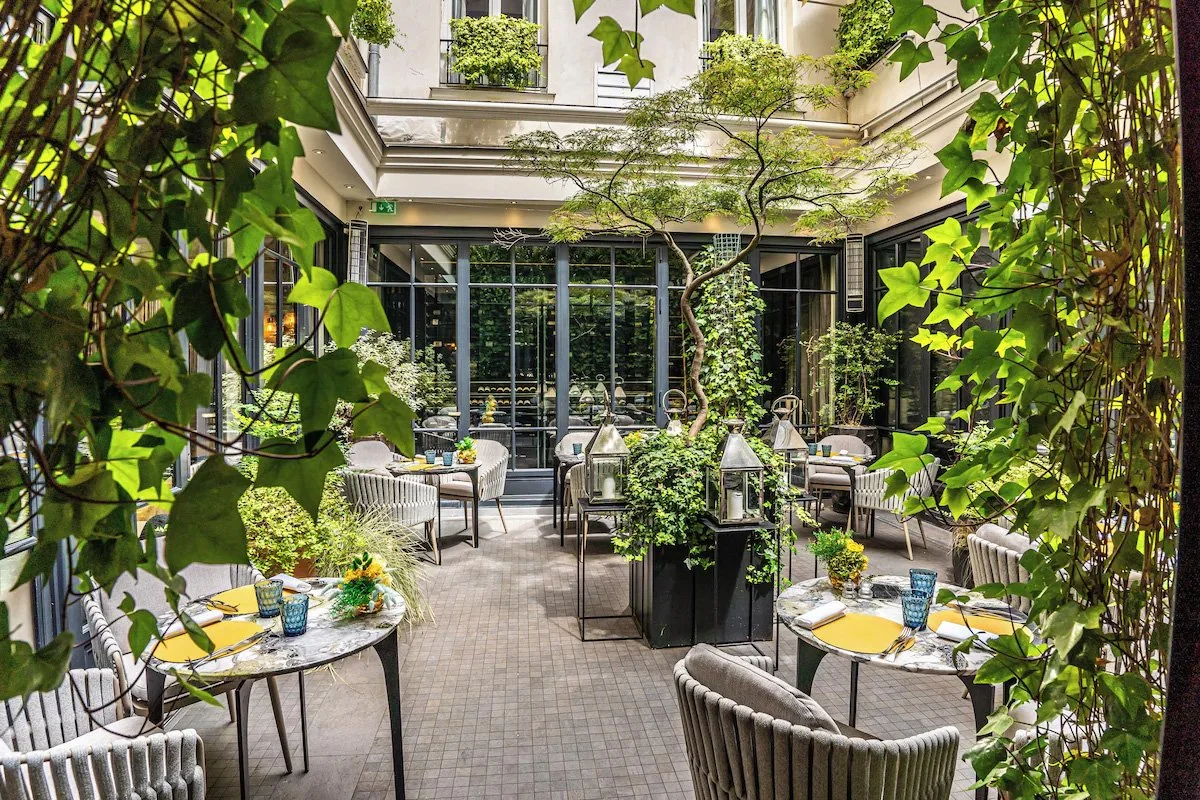
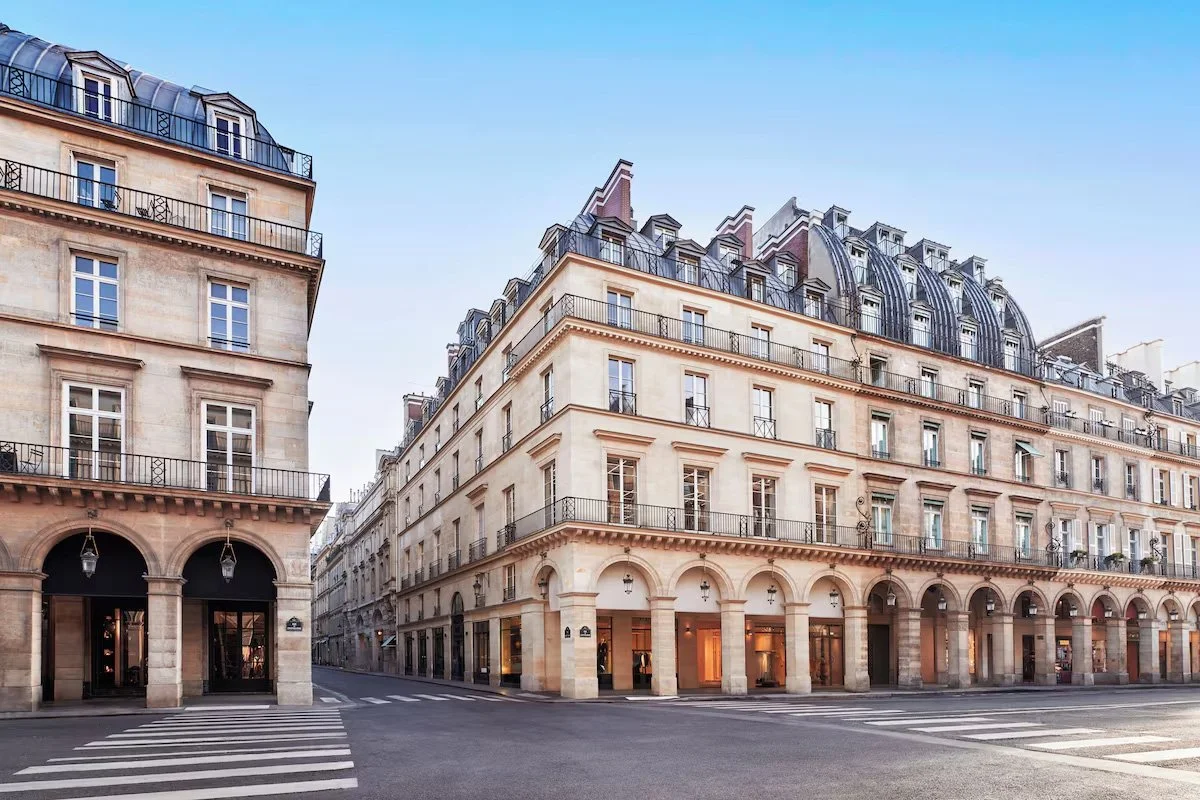
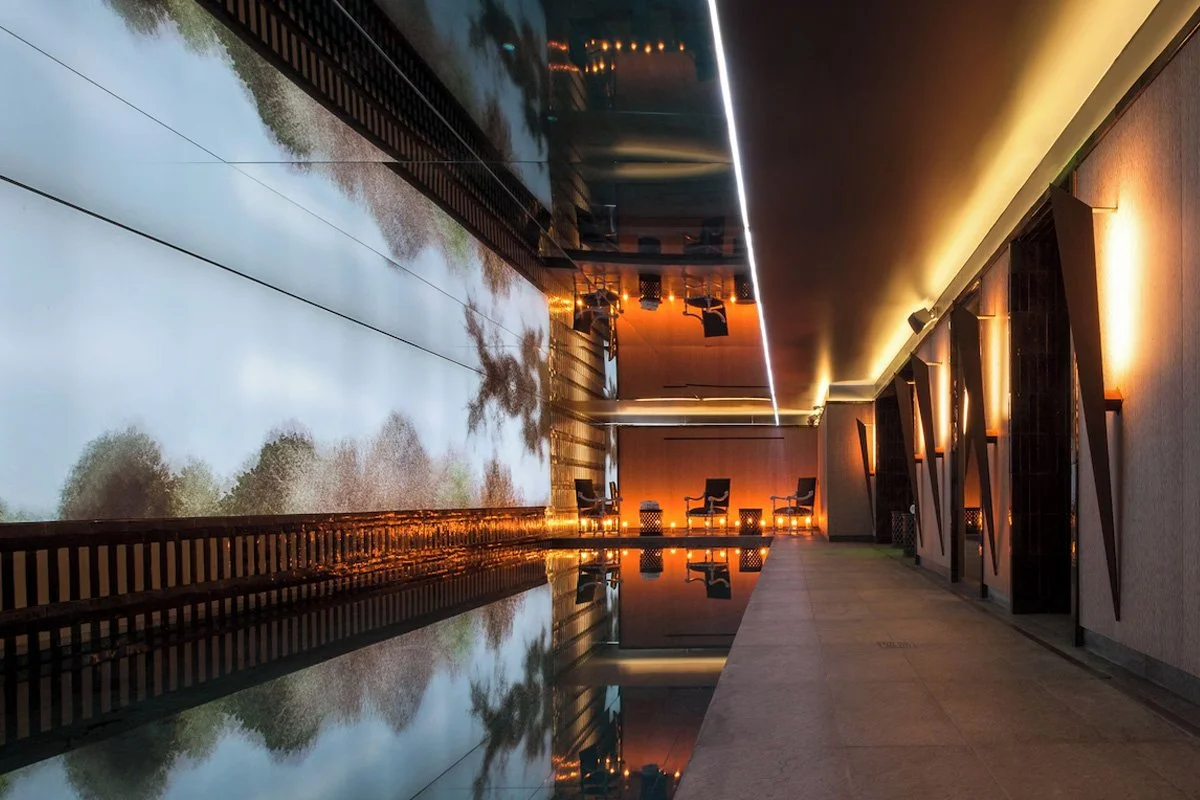
Check out these hand-picked Paris hotels, or browse all of our hotel picks to find your perfect bed for the night.
What to Pack
Forget any sort of heels and go for comfortable shoes for potentially kilometres of walking between artworks. Think layers for museum air conditioning and travel between institution. Try our packing list generator below (pick France and make sure Culture & Museums is ticked) and get a ready-made checklist.
Final Thoughts
The Paris Museum Pass is genuinely the single most useful purchase for this trip. Buying it before you travel means you walk past queues that can otherwise cost several hours, unhelpful on a three-day trip. Carnavalet (Day 3, late afternoon) is free regardless, and a nice counterpoint to a heavy entry-fee day.
The itinerary is structured so days one and two are roughly Left Bank / 1st–7th arrondissements, and Day 3 pivots to Le Marais (3rd–4th arrondissements). If you're staying in the Marais, you could flip days one and three without losing much.
Forgo the desire to choose fashion over function on day one and make sure you wear your most comfortable shoes. The Louvre is the equivalent of walking several kilometres of gallery floor before lunch.
Read Next