6 American Streets Where Live Music Is Pretty Much Non-Stop
There’s always a tune in the air on these party hotspot streets
Some streets are just there so you can access buildings, the door being the barrier between traffic and whatever’s happening inside. Others have allowed the action to spill out onto the sidewalk. And some have become the party themselves.
Across America, a handful of blocks have earned a peculiar kind of fame, the sort where the music never really stops. On these streets, a Tuesday afternoon sounds like a Saturday night somewhere else, and where the question isn't whether there's a band playing but which one to stand in front of.
These six strips of tarmac and concrete have made themselves essential, not through heritage boards or marketing campaigns alone, but through the accumulated weight of every musician who ever set up a kit or plugged in a guitar and played for the room.
So if you’re anywhere near the destinations on this list, make sure you pay a specific visit to the music streets in them. And don’t worry about a map – just listen.
1. Frenchmen Street, New Orleans, Louisiana
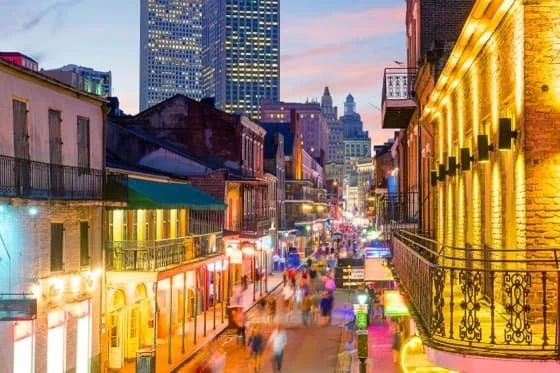
Frenchmen Street is an easy candidate for America’s party row, especially during Mardi Gras when the whole place goes truly bananas for entertainment. But even when the annual tourists have long departed, the locals and weekenders still pack the strip out, with an epic soundtrack to match
Sitting just outside the Vieux Carré in the Faubourg Marigny, this three-block strip is widely considered the most concentrated stretch of authentic New Orleans live music anywhere in the city. The street takes its name from six French Creole residents executed by the Spanish colonial government in 1769, a suitably dramatic origin for somewhere that has spent the past four decades refusing to go quietly.
The Spotted Cat Music Club, Snug Harbor Jazz Bistro, and d.b.a. occupy the 600 block. Between them you’ll hear a constant steam of traditional jazz, swing, blues, and whatever Walter Wolfman Washington feels like playing on a given evening.
Blue Nile, in a building reportedly dating to 1832 and claiming to be the original club that gave Frenchmen Street its music culture, stacks funk, brass bands, and soul across two floors, with a balcony that overlooks the whole carnival below.
When the clubs fill up, people simply stay outside, cold drink in hand, watching brass bands materialise at the intersection of Frenchmen and Chartres and listening to the sound bleed from a dozen open doors at once. The Frenchmen Art Bazaar opens at 7pm nightly in the lot next door, which means the whole block functions as an outdoor living room until well past midnight.
And there’s barely a second of any given day where you won’t hear someone warming up a trumpet or tuning a double bass, even after the revellers have wrapped up for the night and the sun is still thinking about coming up.
2. Beale Street, Memphis, Tennessee
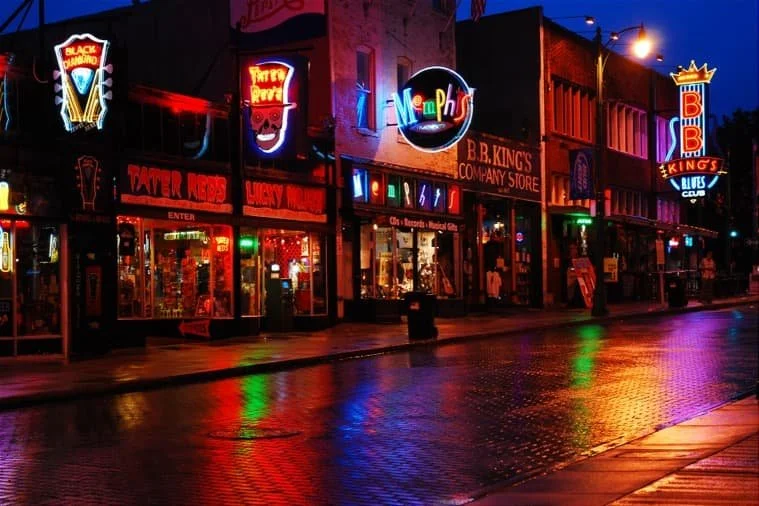
Beale Street's credentials are almost unfairly good. Designated a National Historic Landmark in 1966 and named the "Home of the Blues" by Congress in 1977, you know what you’re getting here.
Beale street spent the early 20th century as the primary stage for an extraordinary generation of musicians. W.C. Handy arrived in Memphis in 1909 and wrote "Beale Street Blues" here. B.B. King, Muddy Waters, Louis Armstrong, and Memphis Minnie all passed through in the decades that followed, shaping what became known as the Memphis Blues sound.
The street fell into hard decline by the 1960s with most of its businesses shuttering. The whole place spent two decades in limbo before a significant revitalisation effort took hold in the 80s. Today the three-block entertainment district runs from the Mississippi River to 4th Street, lined with clubs, restaurants, and the statue of Handy in the park that bears his name.
B.B. King's Blues Club, Blues City Cafe, and Rum Boogie Cafe keep live acts running seven nights a week. Deal with the chills in January, and you’ll catch the International Blues Challenge, bringing over 200 bands and solo artists from around the world to compete across the district's venues.
3. Sixth Street, Austin, Texas
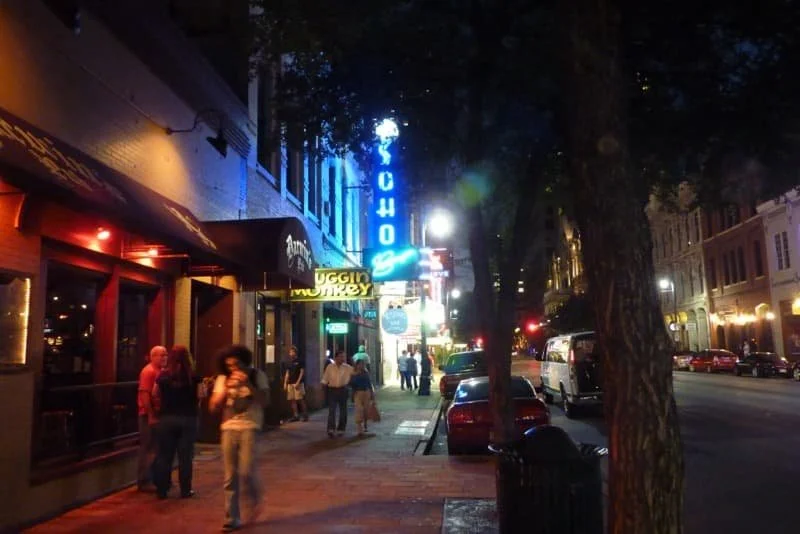
In the Live Music Capital of the World, a title it defends with approximately 250 live music venues spread across the city, you could argue that every street in Austin is a music street.
But the epicentre, or at least the most visible one, is the Sixth Street corridor and the adjacent Red River Cultural District, where a dense run of clubs, bars, and converted auto shops keeps things going until the early hours most nights of the week.
Stubb's Bar-B-Q on Red River anchors the serious end of the district, with a large outdoor amphitheatre that has hosted everyone from hometown acts to major touring artists. Across the street, Mohawk runs two stages, mixing national touring acts with local talent in a venue that has become a fixture of the Austin independent scene.
Clifford Antone opened his first club on Sixth Street in 1975, and the blues and rock lineage he helped establish runs through the district still. Each January, Free Week fills every bar, restaurant, and parking lot with free local acts, a week-long argument for why Austin's music culture runs deeper than the bachelorette parties that dominate the newer end of Sixth Street on weekends.
If you’re looking for the slightly cooler, certainly more local experience, the Red River Cultural District, designated officially by the City of Austin in 2013, is where the regulars tend to end up.
4. Broadway, Nashville, Tennessee
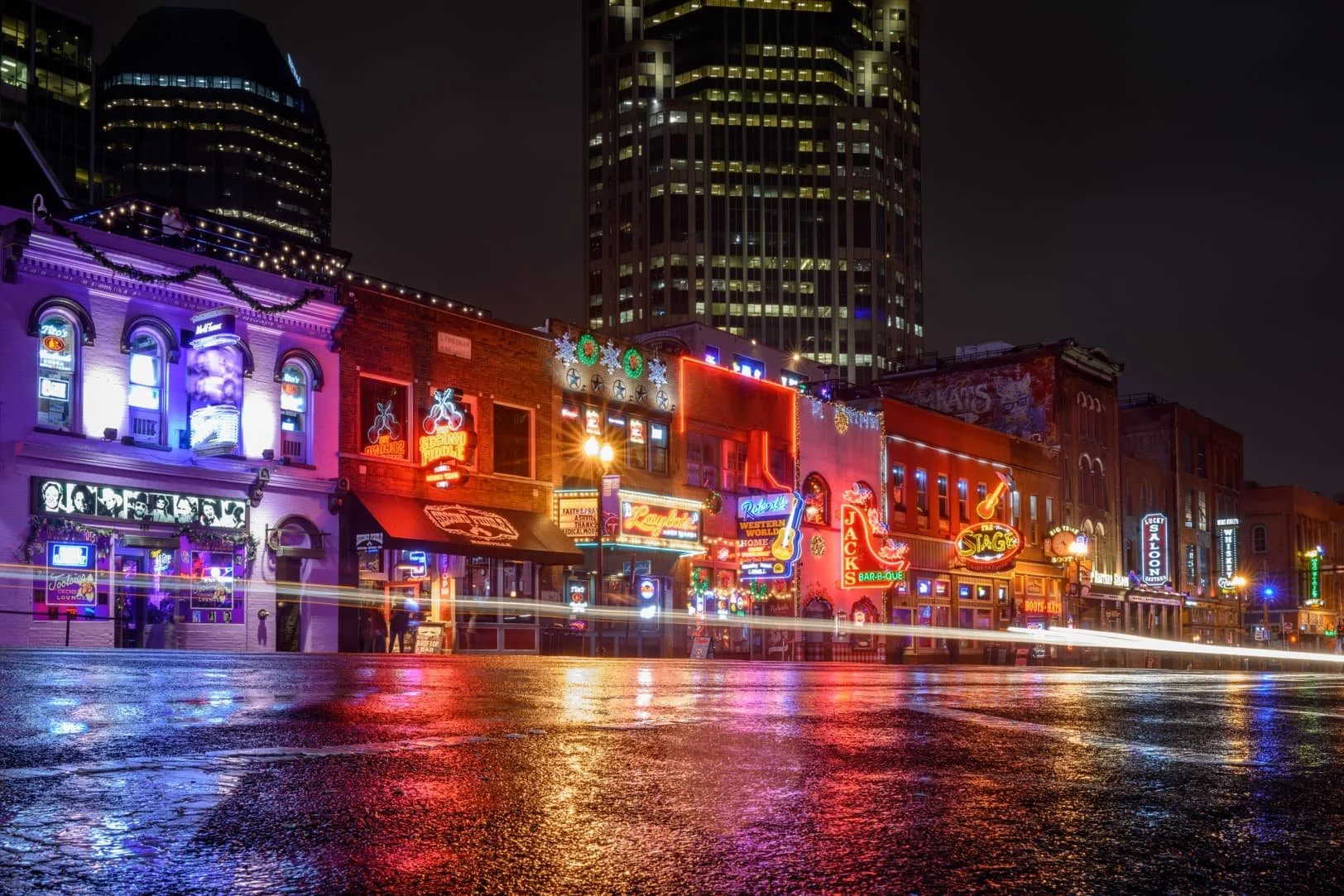
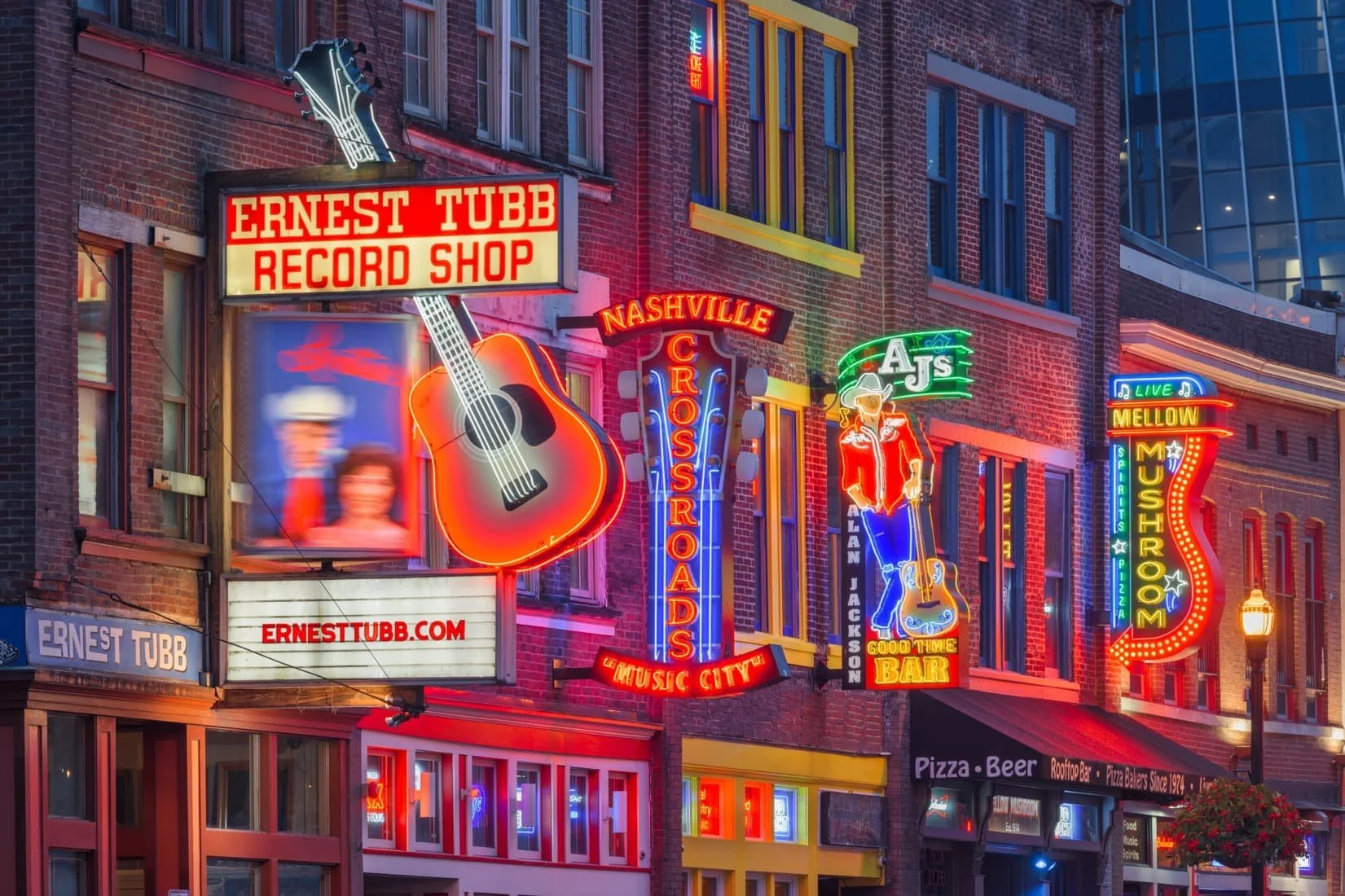
A honky tonk, according to the Nashville Convention and Visitors Corporation, is any establishment containing "at least one rockin' stage, cold beverages, and a party that lasts all day, every day." By that measure, the four-block stretch of Lower Broadway known as the Honky Tonk Highway qualifies about twenty times over.
Turn up at any point between 10am to 3am (and sometimes even earlier or later), 365 days a year, and virtually none of the venues charge a cover. The bands play for tips, a detail that means the people on stage have a genuine incentive to be good and a genuine need to hold the room – there’s more at stake than a ticketed event when your money is guaranteed.
Tootsie's Orchid Lounge, painted an unlikely purple after a painter used the wrong colour in an early renovation, gave Willie Nelson his first songwriting work. Robert's Western World is a clothing shop by day and a traditional country venue by night, with walls full of Grand Ole Opry memorabilia and a stage that rarely stays empty. Legends Corner is voted consistently among Nashville's best country bars, and you could spend hours spotting legends in the photographs on the walls.
The scale of the newer celebrity-owned venues, Jason Aldean's and Ole Red among them, reflects how much the strip has been remade for tourism. But the bones of the old Broadway are still there, and so is the music, reliably, from before lunch until long after last orders.
5. Fremont Street, Las Vegas, Nevada
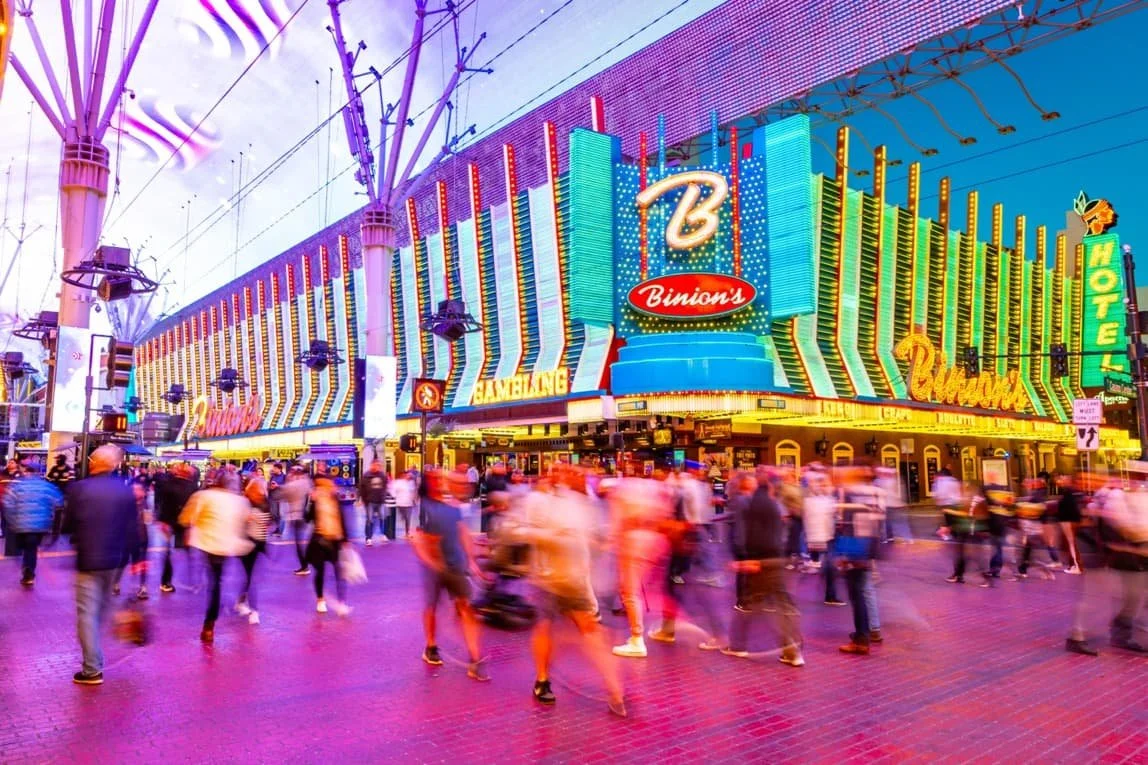
Las Vegas has always understood that spectacle and volume are roughly the same thing. Fremont Street, the oldest part of the city, was Las Vegas' first paved street when it opened in 1905, and neon signs began appearing along its length in the late 1920s, earning it the early nickname Glitter Gulch.
By the 1990s, the city had pedestrianised the strip, installed the 1,500-foot LED canopy known as the Viva Vision screen overhead, and turned the whole block into the Fremont Street Experience, self-described as largest source of free entertainment in the world.
Three permanent stages run concurrent live performances every evening. The acts range from local cover bands to touring names, and the summer Downtown Rocks series has in recent years featured chart acts playing to crowds with no ticket price and no dress code.
Street performer spots are allocated by lottery, with roughly 30 positions available and significant competition for each, which at least guarantees a certain standard of busking. The canopy runs overhead light shows set to music throughout the night.
It is unapologetically loud, unapologetically produced, and something of a counterpoint to the rest of the streets on this list.
6. Duval Street, Key West, Florida
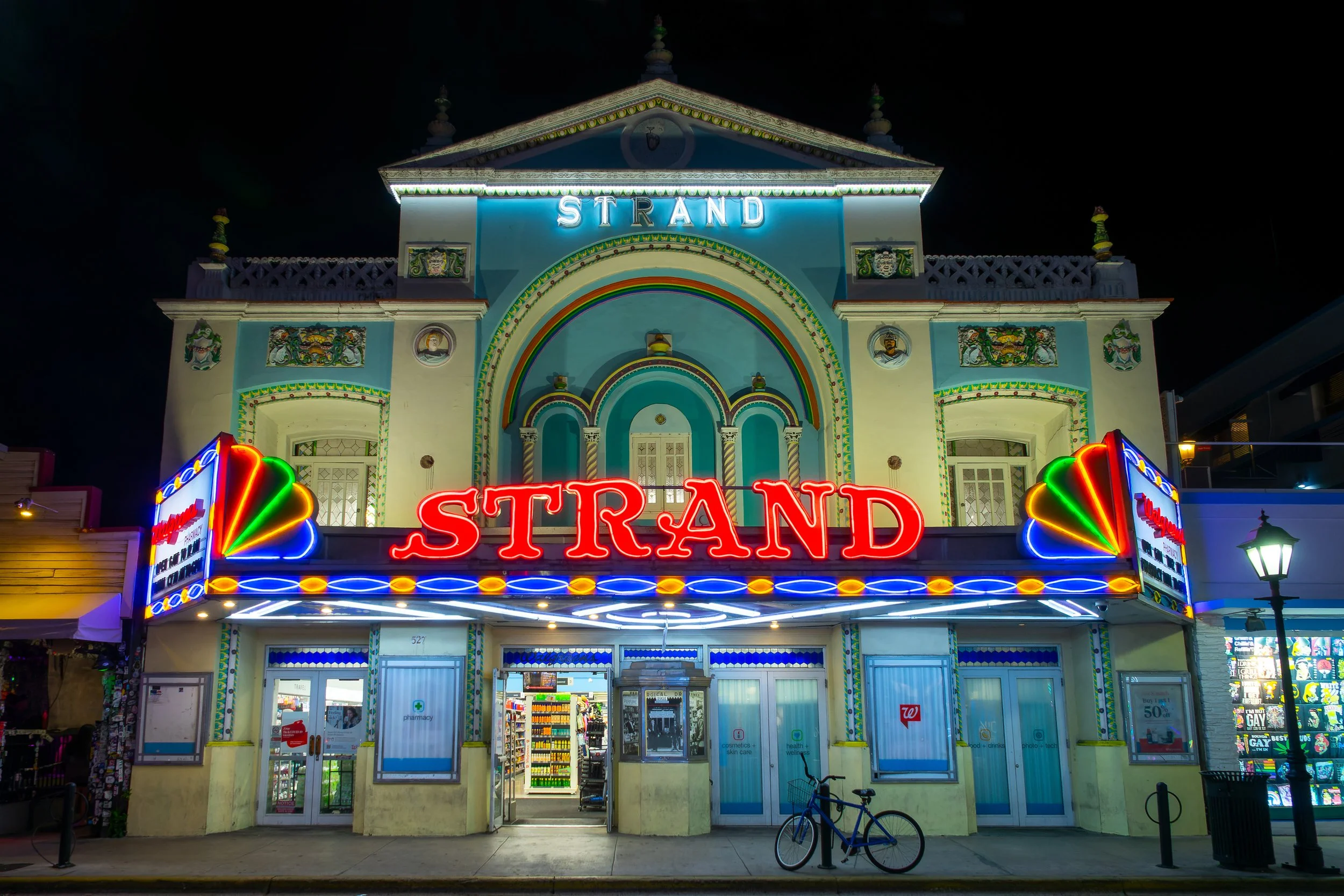
Duval Street is 1.25 miles long and, by the time you reach either end, you will have walked from the Gulf of Mexico to the Atlantic Ocean. It’s geography also makes it the southernmost street party in the continental United States, a narrow corridor of Victorian Conch-style houses, open-air bars, and live music that operates on approximately the same schedule as the sun.
Sloppy Joe's, at the corner of Duval and Greene Street since 1937 and listed on the National Register of Historic Places, runs live music every day from 10am until 2am. Hog's Breath Saloon and the Green Parrot Bar, the latter being a genuine neighbourhood institution at the quiet southern end of the street, keep their own stages busy throughout the week.
Rick's Bar occupies a single address but operates as several interconnected venues, which is useful when you've lost track of who you came with. The bars here close at 4am.
The tone is looser than most of the streets on this list, more carnival than concert hall. The music reflects that with reggae, tropical rock, acoustic blues blending in with the constant thud. Duval Street doesn't take itself entirely seriously, and the music is better for it.
Read Next