11 Grand Old European Hotels with Fascinating Backstories
Love history? Then you’ll love these European hotels that have woven themselves into Europe’s past
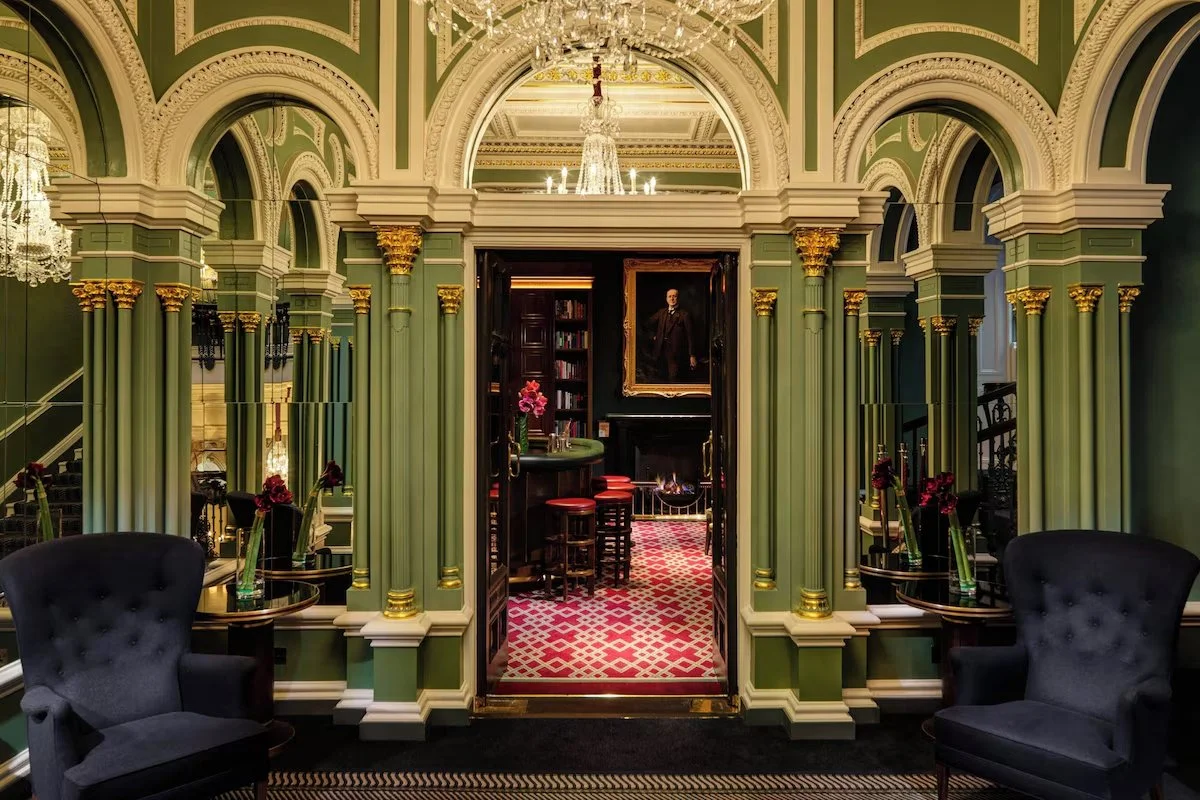
Plenty of old hotels trade on their history, pointing to a plaque, namechecking a famous guest or deploying a specific architect or designer to copy a certain look from the past. But not these hotels.
From a bet that invented winter tourism to a chandelier the Tsar never collected, to two hotels tied to James Bond, these historic European hotels actually shaped the past.
Each carries a story or ten that says something about the era that built it, the crises that nearly destroyed it, or the unlikely individuals who refused to let it die. So let’s dive in and find you a hotel that will really help you to live out that Grand Budapest fantasy.
Badrutt’s Palace, St. Moritz
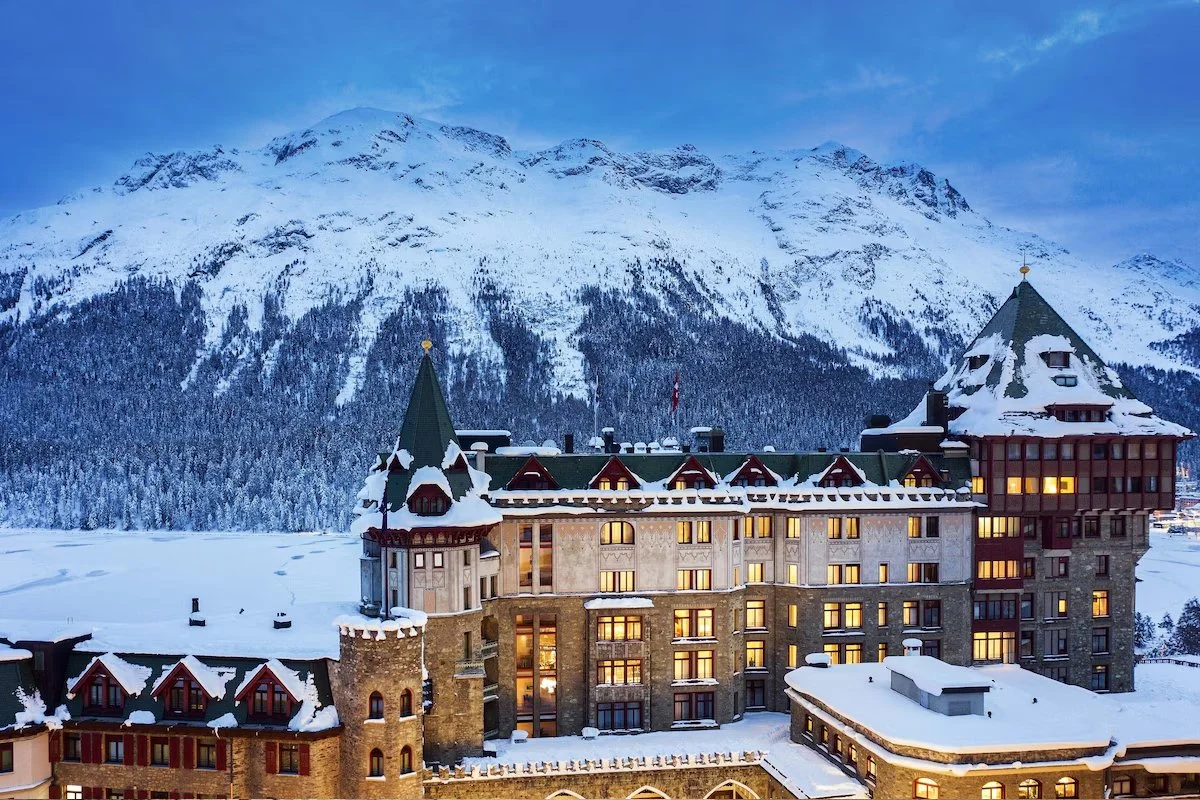
Winter vacations make up a billion-dollar market nowadays, but before the Badrutts got involved, you’d get laughed out of the room for suggesting a trip to the Alps in December or January.
St. Moritz was a summer spa town, popular with the English for its mineral springs and clear air. Then, in 1864, Johannes Badrutt made what might be the most consequential bar bet in the history of tourism. He wagered a group of his departing English summer guests that they would enjoy a winter stay just as much, offering to cover all costs if they didn't.
It worked. They stayed until Easter and went home raving about it. Word spread, and within a generation the Engadin Valley had dedicated ski runs, curling rinks, the world's first toboggan track (the forerunner for winter track sports like skeleton and bobsleigh), and a new concept: the Alpine winter holiday.
Johannes's son Caspar built Badrutt's Palace on the site in 1896, and the family has held it through five generations. Alfred Hitchcock came for his honeymoon in 1926 and returned every year for half a century.
The oldest building in the complex, Chesa Veglia, dates to 1658 and still operates as a restaurant. It isn’t a cheap stay, especially in winter, though you're not really paying for a bed. You're paying for the place that made ski holidays exist.
Hotel Negresco, Nice
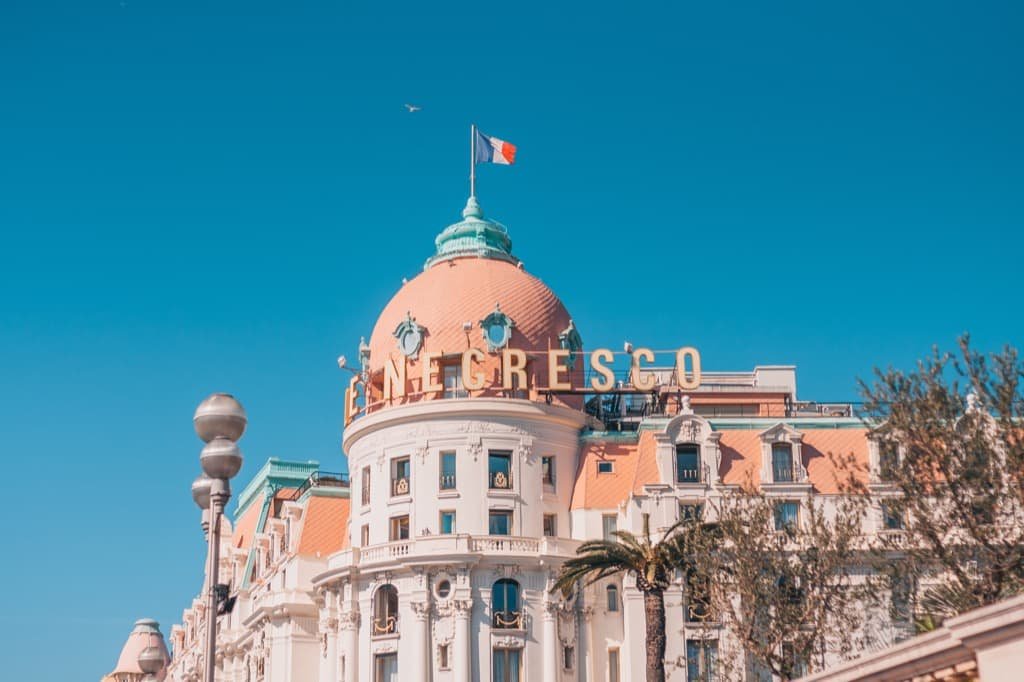
The pink-orange dome and Belle Époque façade of The Negresco on the Promenade des Anglais looks like it has always been there, as much a fixed of Nice as the pebble beach. But the story behind it is closer to tragedy than postcard.
Henri Negrescu, the son of a Romanian innkeeper, arrived on the Côte d'Azur in the 1890s and worked his way up from confectioner to casino director, winning over Rockefellers and European royalty along the way. He dreamed of building the grandest hotel on the Riviera. He commissioned the architect Édouard Niermans, hired the Baccarat crystal house to produce a 16,309-piece chandelier for the Royal Salon, and opened the doors in January 1913 to immediate acclaim.
However, the luxury was short lived when the First World War broke out. Negrescu converted his hotel into a military hospital and personally funded 100 beds. By the armistice, his clientele had evaporated and his creditors had moved in. He died penniless in Paris in 1920, aged 52.
The glorious chandelier, a casualty of the liquidation, was bought by Tsar Nicholas II, but never delivered to Russia. The October Revolution saw to that. It still hangs in the Royal Salon today, a relic of two empires that collapsed within years of its making.
The hotel was rescued in 1957 by the Augier family, and the formidable Jeanne Augier spent decades filling it with over 6,000 works of French art before bequeathing the entire property to a foundation supporting animal welfare and the homeless. At first glance, it’s just another opulent, over the top European hotel, but plenty have benefitted from its existence over the past century and a bit.
Pera Palace, Istanbul
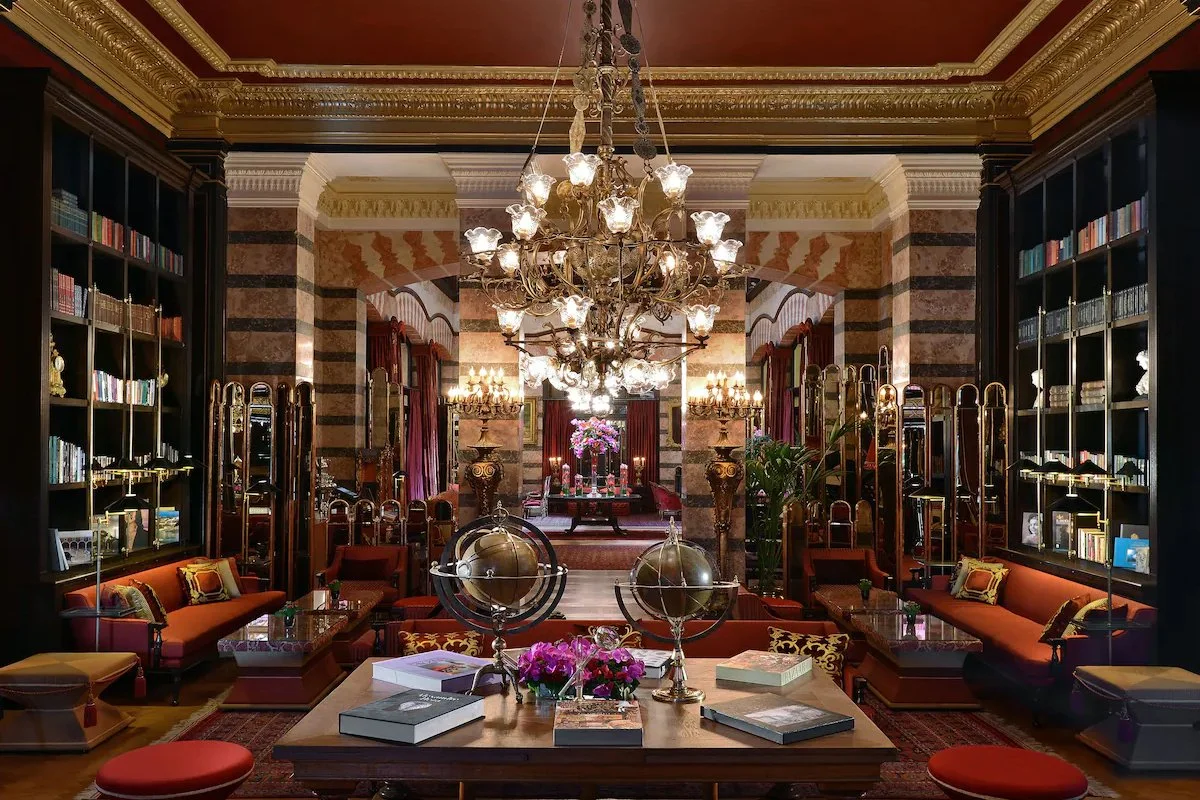
The Orient Express was coming to town, connecting Europe’s elite with Asia aboard one of the most incredible train services ever imagined. The problem? There wasn’t a hotel at the other end to match.
The Pera Palace was built in 1895 to fix that problem, with a grand hotel befitting the calibre of guests arriving. This allegedly made it Istanbul's first building with electricity, and reportedly the second in Europe with an elevator.
The guest list reads like a spy novel cast. Ernest Hemingway, Mata Hari, Greta Garbo, and Mustafa Kemal Atatürk, whose regular suite, Room 101, is now a museum preserved with his personal effects, have all stayed at least a night.
The hotel's most famous association, naturally with Agatha Christie and Murder on the Orient Express, is also its most debated. Room 411 is maintained as a tribute to the author, and the hotel claims she wrote the novel there. But everyone else is a little less certain.
Her autobiography makes no mention of the Pera Palace, and at least one historian argues the connection surfaced only in 1979, when Warner Brothers hired a medium to commune with the late novelist's ghost (it really happened).
Although there was no communication from beyond the grave, the medium described a hidden key, which was indeed found behind the skirting board. The key is now apparently kept in a bank vault. Whether the story is fact or clever marketing (all true according to the hotel, of course), it has certainly proved durable, and the staff will eagerly tell you the tale.
Hotel Danieli, Venice
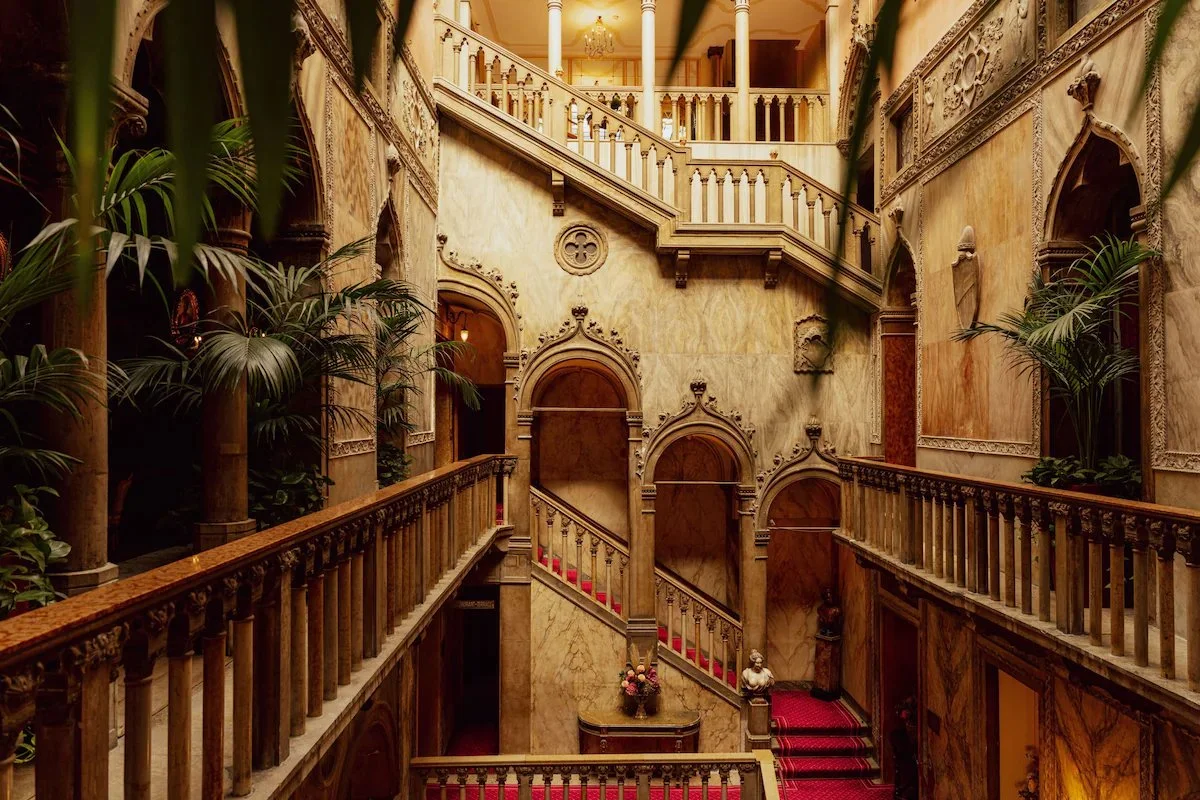
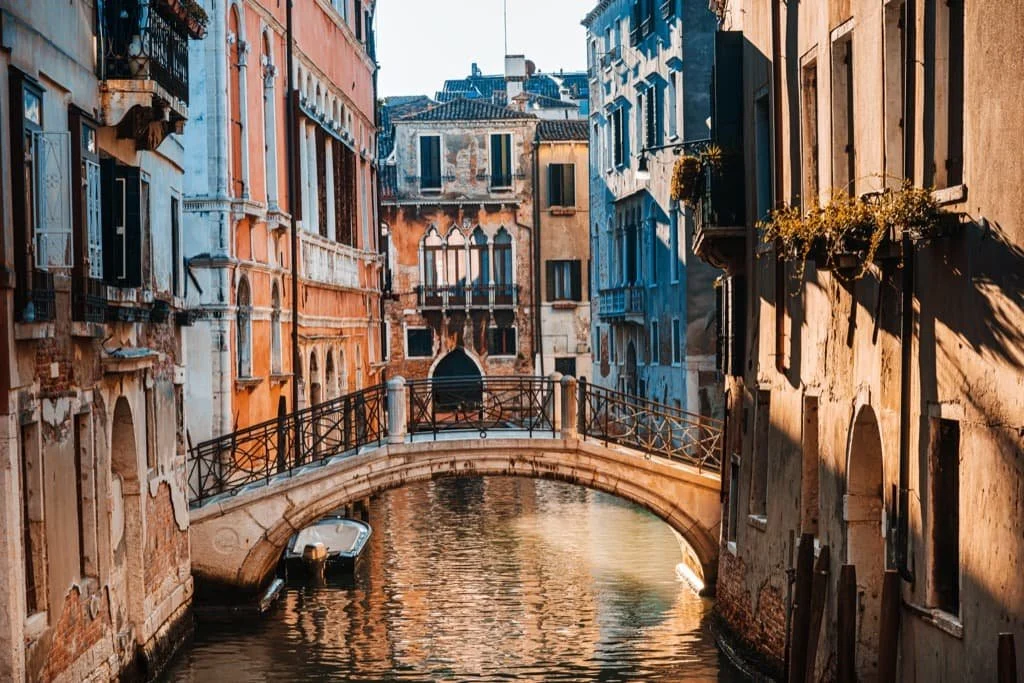
The central building of the Hotel Danieli in Venice was not initially designed as a hotel, but an actual palace. It was once upon a time Palazzo Dandolo, built in the late 14th century by one of the most powerful families in Venetian history. The Dandolos produced four Doges, including Enrico, who conquered Constantinople during the Fourth Crusade in 1204 and returned with the gold, marble, and Byzantine art that still decorates the building.
By the early 19th century, like much of Venice, the palazzo had fallen into decline. In 1822, a sharp-eyed innkeeper named Giuseppe Dal Niel rented the first floor, liked what he saw, and bought the whole building two years later.
He restored its Gothic interiors and renamed it after himself, taking the French pronunciation of "Dal Niel" softening into Danieli to make the hotel feel more ‘continental’.
Not to shrug off its rich history, the hotel became a magnet for scandal. In 1833, the French novelist George Sand arrived with the poet Alfred de Musset, but left with a Venetian doctor she had summoned to treat them both. Decades later, the poet Gabriele D'Annunzio began his affair with the actress Eleonora Duse in the Doge Dandolo Royal Suite. So tread carefully.
The Danieli recentylu transformed into a Four Seasons hotel, open August 2026, and reservations are being taken – but are naturally extremely limited.
The Shelbourne, Dublin
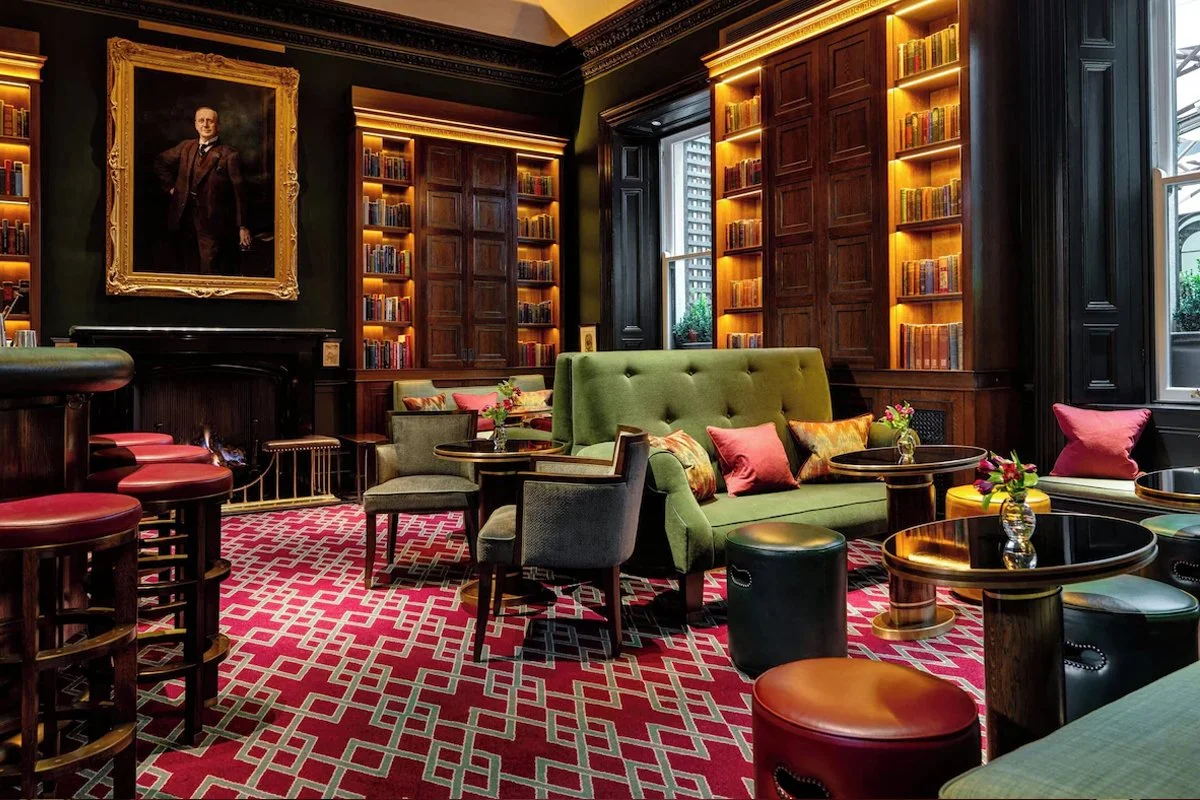
The Shelbourne has occupied the north side of St Stephen's Green in Dublin since 1824, and in that time it has been shot at, garrisoned, sandbagged, and used to draft the founding document of a nation. You’re going to struggle to find a hotel in Ireland that has been at the heart of s many monumental moments in Irish history.
During the Easter Rising of 1916, for example, the hotel's response to gunfire on the Green was to relocate afternoon tea from the Drawing Room to a windowless room at the rear of the building. By the following day, 40 British soldiers had been dispatched to fortify it. Heaven forbid and uprising and eventual civil war disrupt jam and scones.
The hotel's most consequential moment came in 1922, when a committee chaired by Michael Collins convened in Room 112 to draft the Constitution of the Irish Free State. The room is now named the Constitution Room, and the original oak table and chairs remain. So do two original copies of the document itself.
Elsewhere in the building, the Horseshoe Bar has served as an unofficial parliament for Dublin's journalists, writers, and politicians for the best part of a century. Seamus Heaney was a regular, and The Chieftains were reportedly named there, after a conversation between Seán Ó Riada and Paddy Moloney.
Raffles Hotel, London
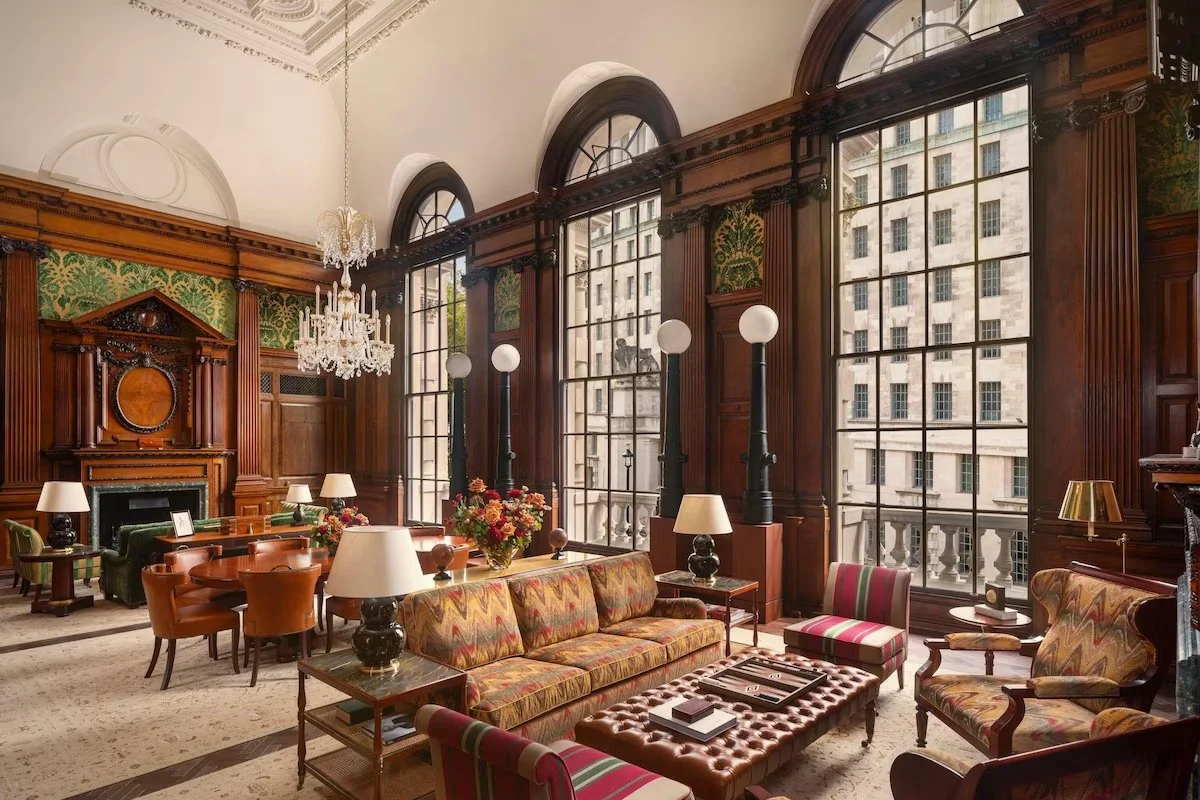
Before it was a hotel, the building at Whitehall that now houses Raffles London at The OWO was the nerve centre of British military intelligence. Completed in 1906, the Old War Office served as the base of operations through two world wars. Winston Churchill occupied a grand suite of offices as Secretary of State for War. Lord Kitchener recruited 2.5 million volunteers from here. T. E. Lawrence had a desk down the corridor. Now you can sleep in a room where it’s possible that part of the D-Day invasion was planned or discussed.
But the building's most enduring contribution to culture came through a naval intelligence officer named Ian Fleming, who worked in its corridors during the Second World War and conceived, among the resident spies and classified files, the character of James Bond.
The Raffles can’t seem to shake off the link either. The building has gone on to appear in five Bond films and there’s even the Spy Bar, situated in the basement rooms where the Secret Service Bureau held its first meeting in 1909 – room numbers 006 and 007, naturally. Keep an eye out for an Aston Martin parked out front.
In 2023, after a reported £1.6 billion renovation, it opened to the public for the first time as a Raffles hotel, with 120 rooms, suites named after the building's most famous occupants.
The former Spies Entrance, once used by agents returning from operations, now serves as the discreet entry for residents of the building's private apartments.
San Domenico Palace, Taormina
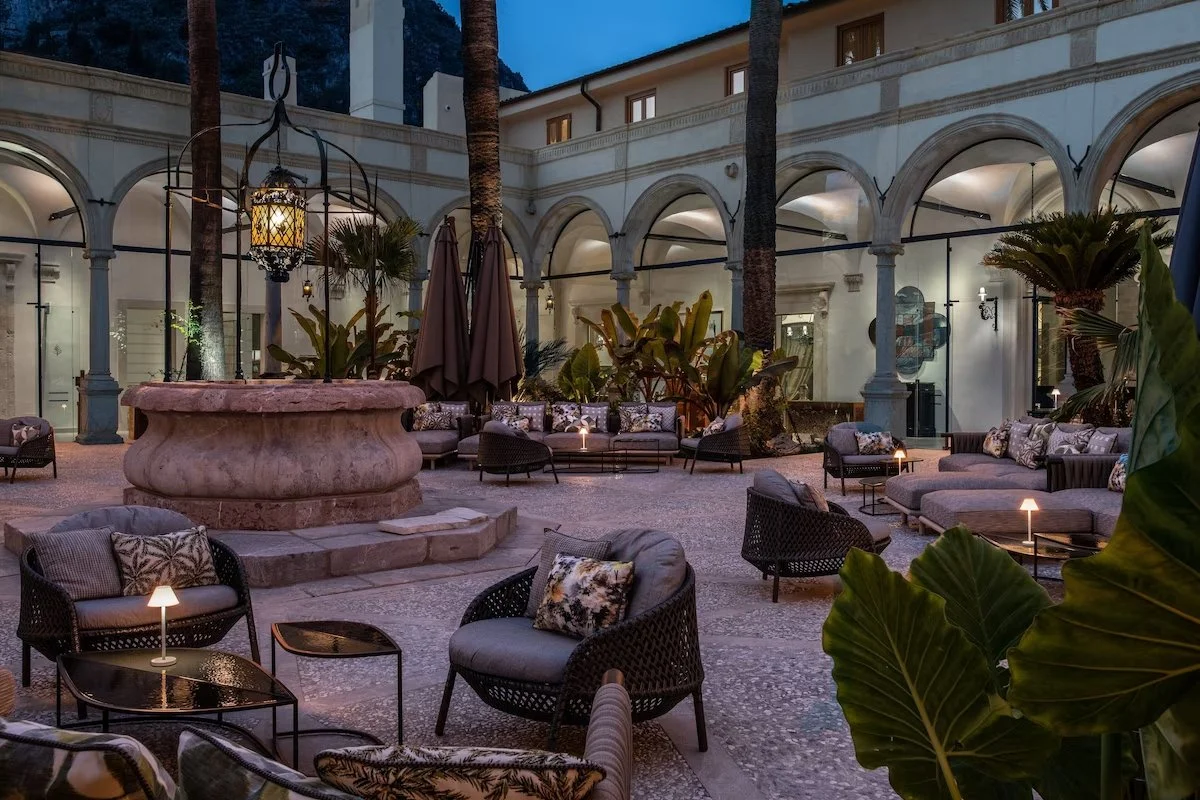
Although way more famous nowadays after a certain smash hit hotel TV series was filmed there, the story of San Domenico Palace in Taormina begins in 1374, when Dominican friars established a convent on a clifftop above the Ionian Sea. For five centuries, the community never exceeded 40 members. Then, in 1866, Italy passed a law suppressing religious orders and confiscating their assets.
However, a single monk, Vincenzo Bottari Cacciola, refused to hand over the keys and had to be removed by force. He had unearthed the original will of the convent's founder, Damiano Rosso, which he argued invalidated the seizure, but it was all for nothing. The monks' cells are now guest rooms. The church is now a ballroom.
The property eventually passed to Prince Cerami, who added a Liberty-style wing in 1896 and transformed it into one of Europe's first grand hotels. It quickly attracted Oscar Wilde, D. H. Lawrence, Greta Garbo, and a long parade of Italian cinema's golden age.
During the Second World War, Field Marshal Albert Kesselring made it his headquarters. It reopened after liberation in 1944 with parties where Allied soldiers danced with locals to alternating Italian and American bands.
In 2021, it became a Four Seasons hotel, and a year later the world discovered it as the setting for the second season of HBO's The White Lotus. As you can imagine, it’s quite difficult to get a reservation these days.
The Ritz, Paris
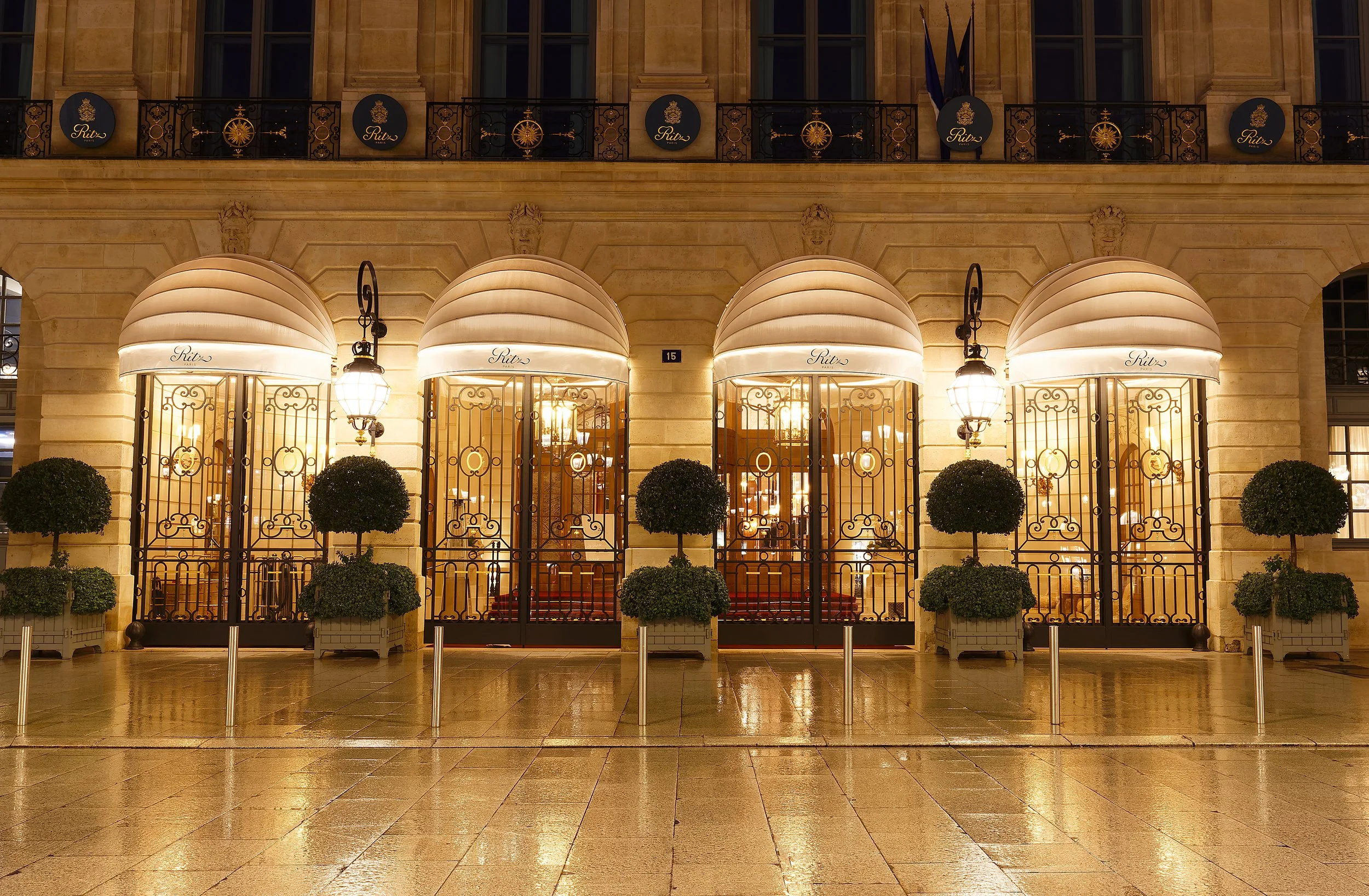
When César Ritz opened his hotel on the Place Vendôme in 1898, it’s doubtful he would have anticipated that he would eventually give the English language a new adjective to describe the epitome of luxury.
The Ritz Paris was among the first hotels in Europe to offer en-suite bathrooms, electricity, and a telephone in every room, all things taken for granted now, but utterly exclusive at the time.
This attracted the age’s major celebrities. Marcel Proust wrote portions of In Search of Lost Time in its garden café. Coco Chanel moved into a suite in 1937 and stayed, with one brief wartime interruption, until her death in 1971. The suite is now named after her.
The wartime interruption is where the story turns quite uncomfortable. When the Germans entered Paris in 1940, the Luftwaffe commandeered half the hotel as its headquarters, with Hermann Göring installed in the Imperial Suite.
The Ritz became, in the words of one historian, "a Switzerland in Paris," where Wehrmacht officers drank cocktails alongside French celebrities and a Jewish head bartender named Frank Meier quietly passed coded messages to the resistance. Chanel, controversially, remained throughout, conducting an affair with a German Abwehr officer that would later see her briefly arrested.
But the hotel's most cinematic moment came on 25 August 1944, when Ernest Hemingway, nominally a war correspondent for Collier's, rolled into the Place Vendôme in a commandeered jeep at the head of a band of resistance fighters with the express intention of liberating his favourite bar. The Germans had already left.
The manager met him at the door and asked him to leave his weapon outside. Hemingway complied, walked into the bar, and reportedly ran up a tab for 51 dry martinis. The bar is now named after him.
Hotel Adlon Kempinski, Berlin
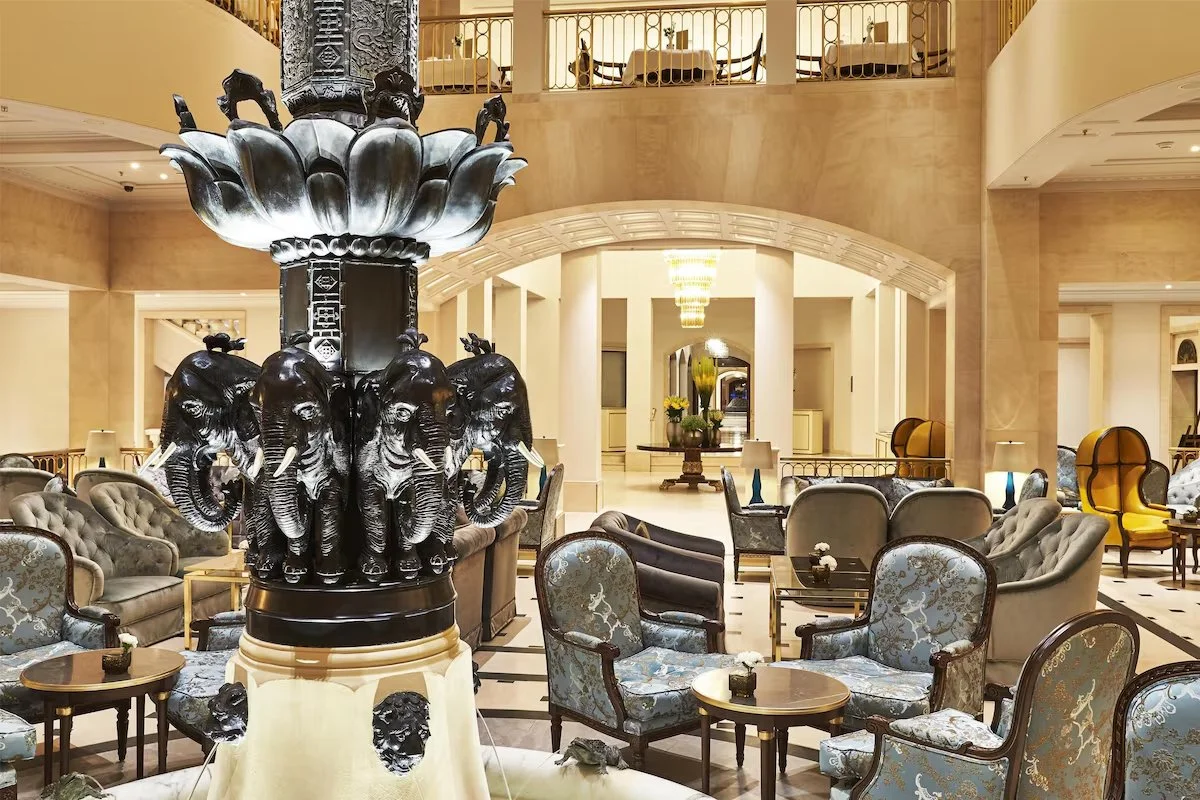
When Lorenz Adlon opened his hotel beside the Brandenburg Gate in 1907, Kaiser Wilhelm II was reportedly so delighted that he attended in person. The Hotel Adlon quickly became the social fulcrum of Berlin, hosting Charlie Chaplin, Marlene Dietrich, the Rockefellers, and a procession of heads of state.
During the First World War, it served as a hub for international diplomacy, and even Adolf Hitler, by several accounts, found its cosmopolitan atmosphere uncomfortable.
Despite being smack bang in the heart of Berlin, and right next to the heavily contested Reichstag, the hotel survived the Second World War largely intact. That makes what happened next all the more absurd.
In May 1945, Soviet soldiers laid waste to the Adlon's fabled wine cellar (rumoured to hold up to a million bottles) then started a fire that gutted the building. The remainder was bulldozed by the East German government in 1984.
But the Kempinski group had quietly acquired the naming rights from the Adlon heirs, and after reunification, the hotel was rebuilt on its original site and reopened in 1997 as one of the first new buildings on Pariser Platz. It became, almost overnight, a symbol of a reunified Berlin. Although lacking the original features and layout, care has been taken to ensure the modern design and furnishing pays attention to the previous building’s layered and incredible history.
Barack Obama stayed in the presidential suite in 2008, but the room is perhaps best remembered for the bizarre and terrifying moment Michael Jackson dangled his infant son from the balcony in 2002.
Brown’s Hotel, London
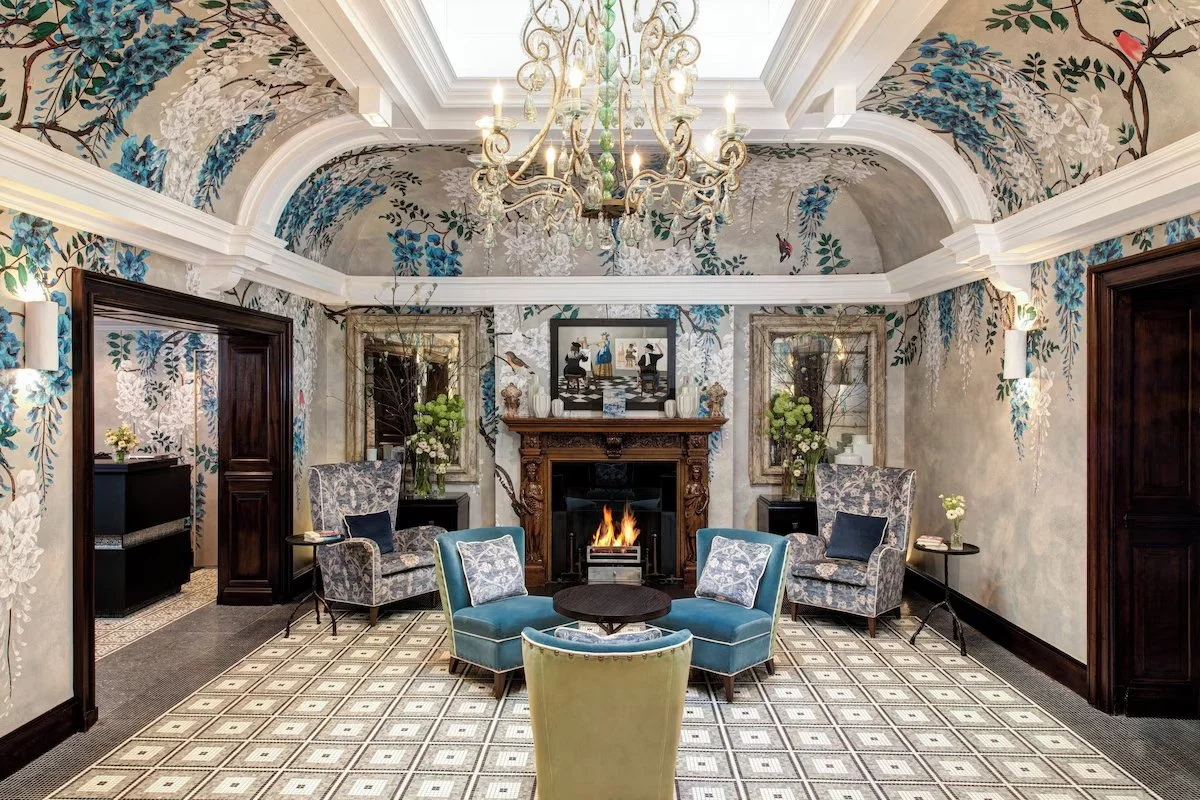
Brown’s is often considered London’s first purpose built hotel. James and Sarah Brown, servants in the household of Lord Byron, were bequeathed a large sum of money from the iconic poet. They used it to transform three Georgian terraces on Albermarle Street into Brown’s Hotel, which opened in 1837.
There are plenty of stories hidden in the hotel’s walls too. In 1876, Alexander Graham Bell checked in carrying, according to the hotel owner's son, a large bag of instruments and cables. Using a telegraph wire between the hotel and the Ford family home in Ravenscourt Park, he made Britain's first telephone call at around two in the morning.
It’s also quite fitting that a hotel ultimately funded by a poet would become a haven for other poets and writers.
Rudyard Kipling stayed at Brown's on his wedding night in 1892 and returned throughout his life, calling it "our faithful, beloved, warm, affectionate Brown's Hotel." He was found slumped at his desk there in January 1936, stricken by an ulcer that killed him days later. The hotel now dedicates its grandest accommodation, the Kipling Suite, to his memory.
Agatha Christie was another regular, and her novel At Bertram's Hotel is widely believed to be based on Brown's. Stephen King, fuelled by jet lag and tea, apparently wrote the outline of Misery while staying there.
Grandhotel Pupp
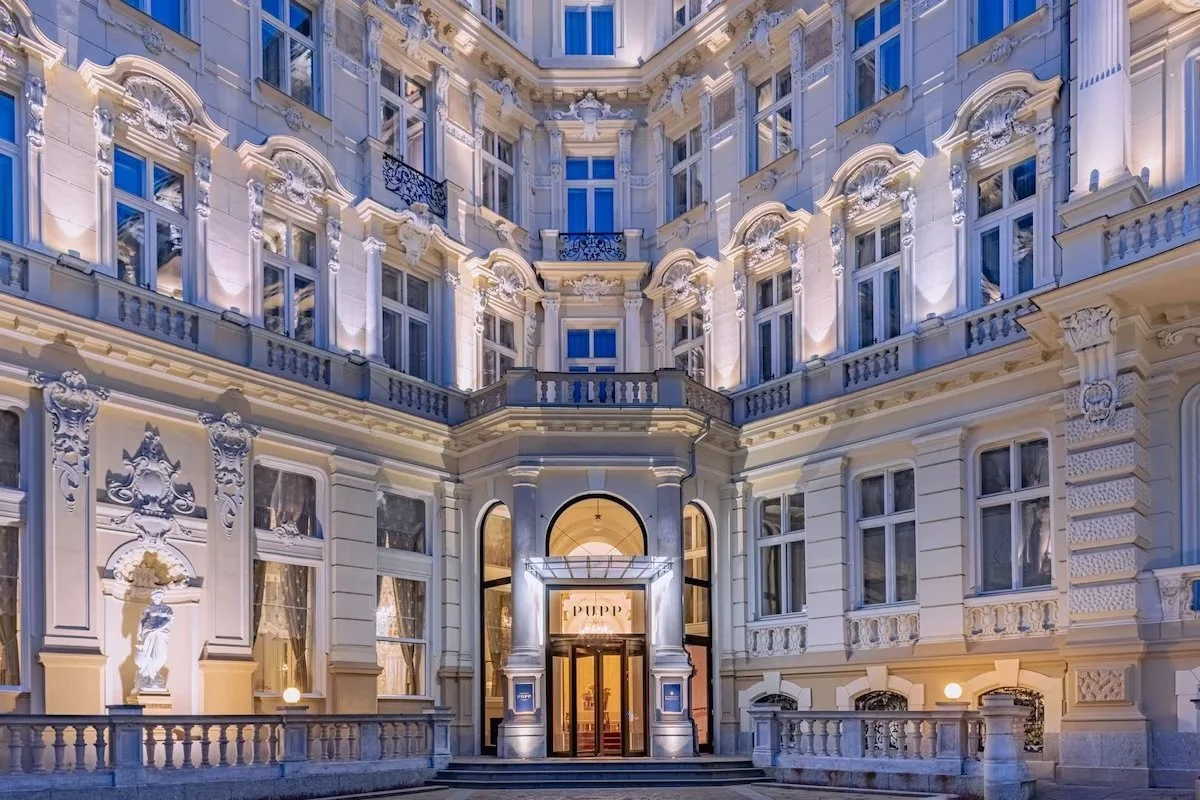
The Grandhotel Pupp in Karlovy Vary, Czech Republic is named after confectioner Jan Jiří Pop, who arrived in the Bohemian spa town in 1760 and married into the family that owned the local assembly hall.
Through a series of strategic purchases, the Pop family (later Germanised to Pupp) gradually acquired the entire complex, and over three centuries expanded it into one of Central Europe's grandest hotels. The current building, designed by the Viennese architects Fellner and Helmer, dates to the turn of the 20th century.
The hotel has survived Habsburg decline, two world wars, and four decades of communist rule, during which it was nationalised and renamed the Grandhotel Moskva. The original name was reinstated as Velvet Revolution in 1989.
If you got excited by the James Bond links to the Raffles Hotel earlier, you’ll be pleased to hear that the Pupp starred as Hotel Splendide in the 2006 James Bond film Casino Royale, with Daniel Craig and Eva Green checking in at its reception desk and walking to the nearby Imperial Spa building, which doubled as the casino.
Read Next