Where to Go in Louisiana that isn’t New Orleans
Most visitors to Louisiana find themselves in New Orleans for food, football or festivities. But away from the main draws you’ll find a truly unique state that doesn’t feel so American…
Ask any tourist, even those from outside the US, what Louisiana is famous for, and you’ll probably get one of two responses: Jazz or Mardi Gras. But beyond the smoky bars and packed streets or New Orleans’ French Quarter, the state has way more to explore. So let’s dive into some Louisiana spots that don’t just revolve around partying in New Orleans!
Lake Charles

Way out west on the Texas state line lies Lake Charles. This is a city of split personalities. One moment you could be kayaking or stand up paddle boarding from North Beach on the lake, the next you’re joining a crowd to hear outdoor live music at one of the 70+ annual festivals celebrating in Lake Charles, including of course Mardi Gras.
Beyond the partying, Lake Charles is also an excellent gateway to the Creole Nature Trail. This encompasses more than 400 miles of crowd-free bayous, prairies and coastal marshes where bird spotting, fishing and diving are just some of the tours and activities to try.
Don’t miss the Pintail Wildlife Drive, a 3-miles loop where you can spot dragonflies, birds and of course alligators slipping into the water. At the halfway point, there’s a boardwalk where you can head right into the marsh for better wildlife viewing.
St. Francisville and the Great River Road

Just north of Baton Rouge you’ll find sleepy St. Francisville, with its weeping willows and typical Louisiana scenery on a bluff above the Mississippi. But behind the slower paces lies a colonial history where Spanish, French and Native American stories collide.
Dive into the state’s turbulent past at the Rosedown Plantation, one of the most intact and most documented plantations in the United States. Now a designated National Historic Landmark, the plantation operates as an education centre giving insights into plantation life, with no holds barred.
Using St. Francisville as your starting point, rent a car and follow the Great River Road north. This artery passes by dozens of other former plantations, historic museums (including the Great River Road Museum) and genuine snapshots of daily life along the Mississippi.
Lafayette
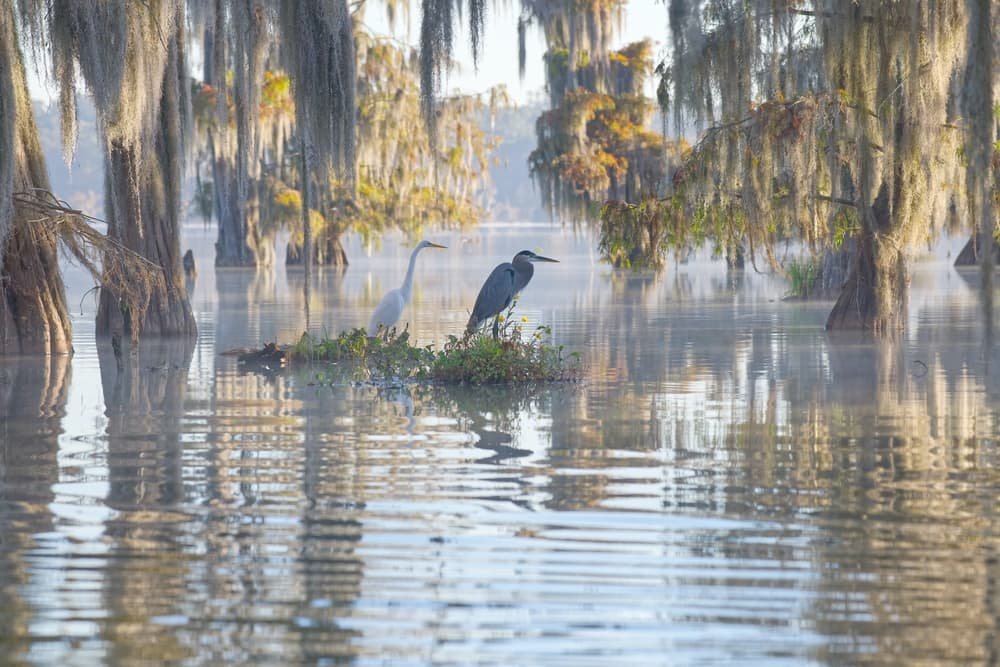
The heart of Cajun Country delivers southern Louisianan culture arguably more authentically than New Orleans. Packed with stories, heritage and living history, Lafayette feels more like Europe than the US in many respects.
Start exploring in the Vermilionville Historic Village. Restored homes, costumed interpreters and craftspeople that use traditional methods bring 18th and 19th century Acadian and Creole cultures to life.
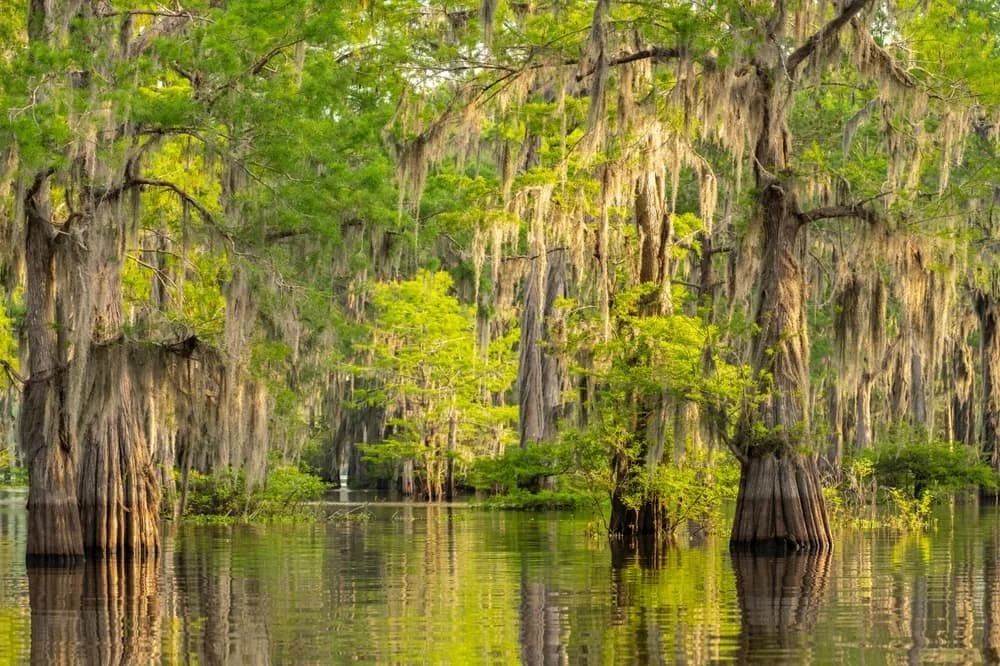
If you’re feeling adventurous, then the largest swamp and freshwater forest in the US is a stone’s throw from Lafayette. The Atchafalaya Basin is a great place to try those airboat and kayak tours you’ll see in the tourism brochures, or just snap some ethereal morning mist winding through the bald cypress trees.
Lafayette is also a top Cajun cuisine spot. Expect gumbo, crawfish boils, po’boys and fresh seafood on the menu almost everywhere, and dive in head first. Check out this brilliant list of Lafayette must-try food spots from the brilliant Lafayette Mom (@TheLafayetteMom)
Avery Island
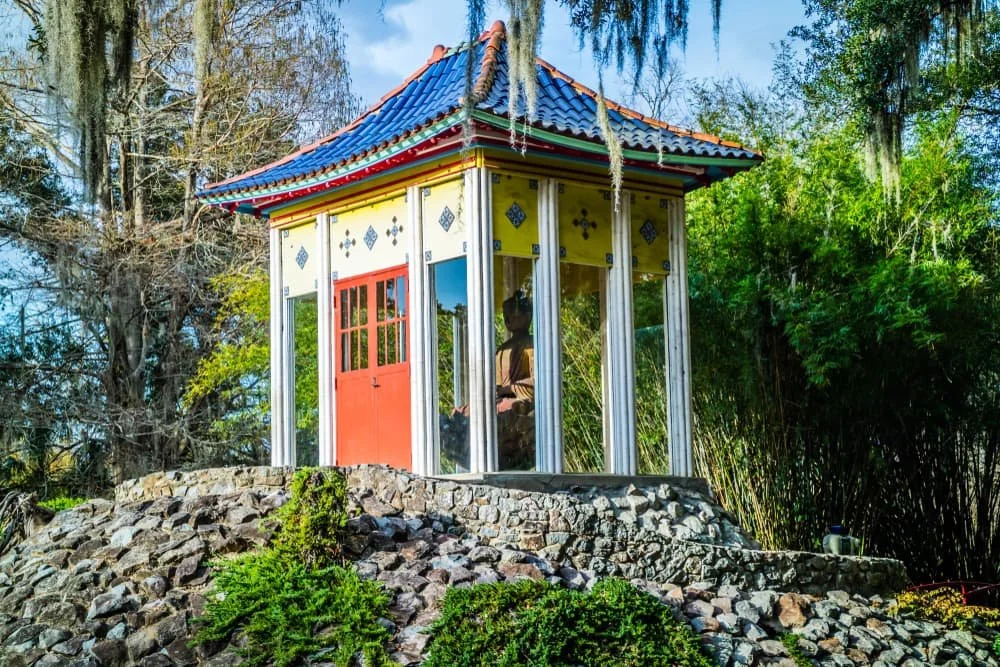
To the south of Lafayette and Iberia lies an intriguing island that certainly packs a punch for its size. Formed by what’s known as a salt dome, the solid ground among the marshes was used for salt extraction by Native Americans before French and Spanish settlers mined the area.
But today, Avery Island has made its name on the world for a small but mighty addition to cooking: Tabasco Sauce. Since 1868, Avery Island has been the main source and manufacturing hub of the fiery little bottles that find their way into pantries around the globe. You can visit the original Tobasco source factory, take a tour and of course try and buy the different varities that have been developed over the years. Iced water available.
Beyond Tabasco, Avery Island is also one of the south’s best and most important bird sanctuaries. Egrets use the island as a main habitat, migrating over the Gulf of Mexico each year. Visitors can take tours of Jungle Gardens and Bird City, both teeming with wildlife and ideal spots to explore this unique Louisiana landscape.
Natchitoches
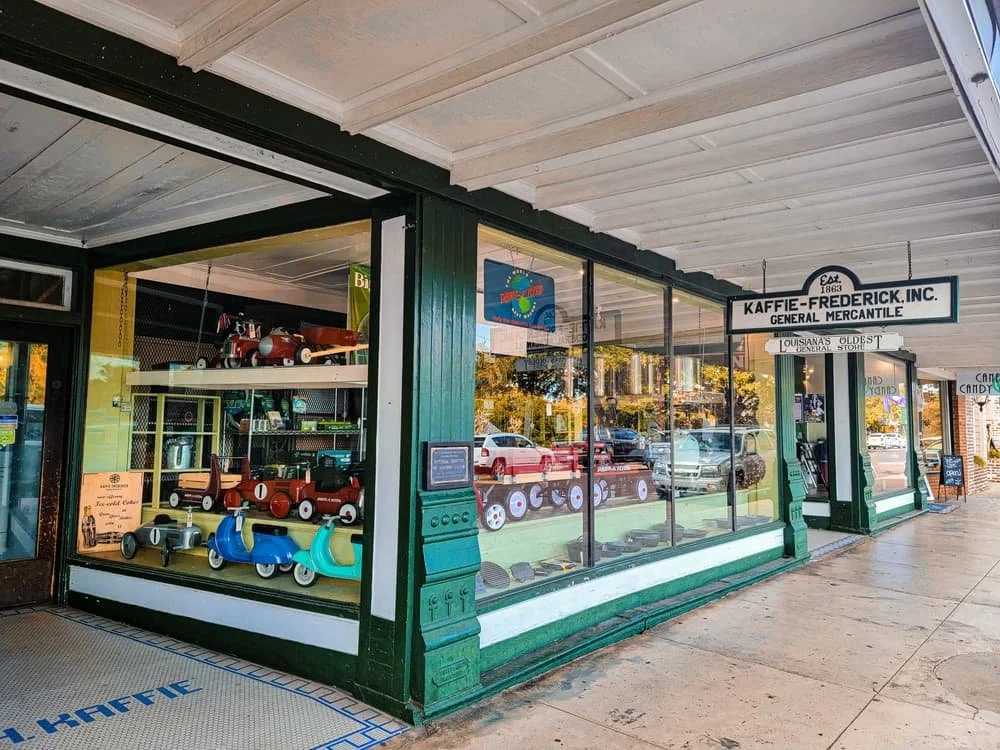
Let’s start with the pronunciation, so you don’t confuse the locals when you cask for directions: Nack-a-Tish sits in the far north of Lousiana and is actually the oldest European settlement in the state. The red brick roads and colonial frontages within the historic district face out onto the Can River, making this a scenic little town with plenty to explore.
Call into the Kaffie-Frederick General Mercantile, Louisiana’s oldest general store. Typical general store equipment, like kitchenware and tools, can be purchased, but there are toys and souvenirs too.
Alongside the photogenic architecture, some dating back to the town’s founding in 1714, there’s a thriving art scene with galleries and shows throughout the calendar, so check your dates.
Kisatchie National Forest

Right in the heart of the state you’ll find Louisiana’s only dedicated national forest. Surprisingly wild, the over 600,000 of pines, hardwoods and lakes is a terrain you wouldn’t associate with the Deep South, and is certainly a far cry from the swampland by the coast.
Base your visit around the Wild Azalea Trail, a 24-mile wilderness trail that comes to life in spring when meadows and grasslands bloom into life. Beyond the Wild Azalea, there are hundreds of miles of further trails ideal for hiking, off-road cycling and horse-trekking, including the secluded Backbone Trail, making Kisatchie the perfect adventure spot for active families or visitors.
Shreveport
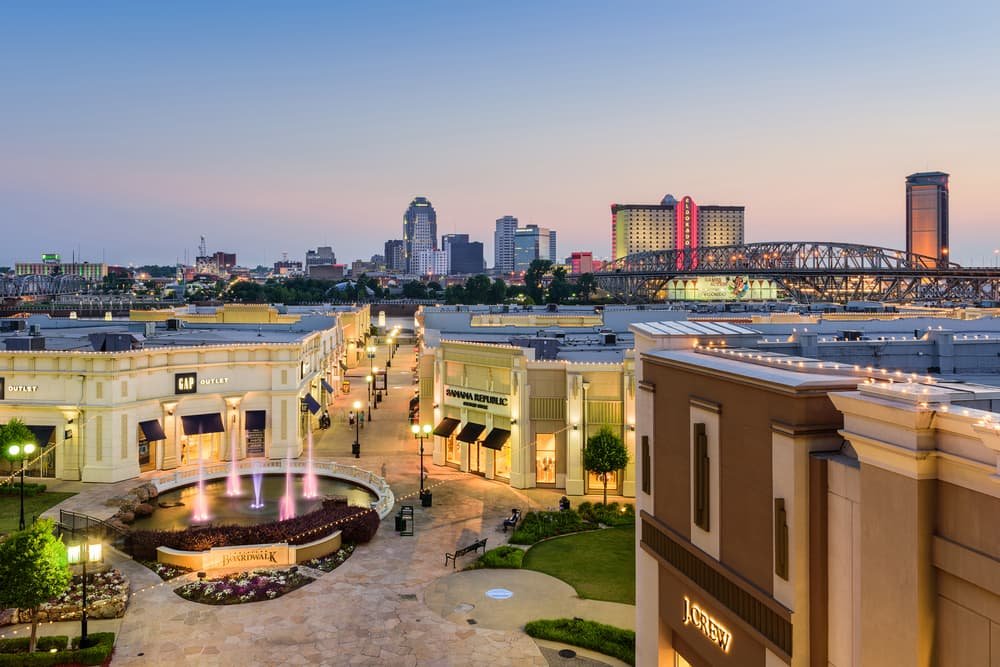
Louisiana’s main northwestern city feels quite far removed from the Cajun and Creole centres down south. That’s mainly down to it being a culture hub in its own regard, the capital of the Ark-La-Tex region. This means you can get a brilliant blend of cuisines, lifestyles and people in one sensibly-sized city.
Thanks to its strategic place on the Red River, Shreveport has a rich economic and industrial history. The Shreveport Water Works Museum is good orientation point to get a snapshot of this history, and to understand the scale of shipping along this essential pre-road and rail American artery. The Louisiana State Exhibit Museum is another stop-off to get a handle of northern Louisiana’s part in the state’s history too.
The city’s Red River District is the spot where you’ll find plenty going on almost every night of the week, and especially on weekends. Restaurants, bars, museums and galleries fill the historic storefronts and there’s plenty of shopping to be enjoyed too. If you’re visiting with kids, then the Shreveport Aquarium is a great spot to escape any warm weather or rain!
Things get really busy during the annual Red River Revel, an arts and music bonanza held each October, so make sure your accomodation is booked ahead of time if you’re visiting in fall.
Read Next