How to Tick Off 5 Incredible US National Parks in a Single Trip
Utah’s ‘Mighty Five’ just happen to be close enough together to create one incredible loop road trip…
From Yellowstone to the Everglades, the US has some of the most famous national parks on earth. You can build a whole trip around just one, exploring incredible landscapes, hiking, cycling or climbing, or looking out for amazing wildlife moments.
But what about a trip where you can squeeze in five of America’s most incredible national parks without having to spend forever in the car? Luckily enough, Utah is home to five stunning national parks, known as the Mighty 5, and you can get between them pretty easily, with a couple practically next door to each other.
So here’s a quick breakdown of the Utah Mighty 5, plus a quick itinerary to help you plan an unforgettable road trip that packs everything in without feeling like a rush.
Arches National Park
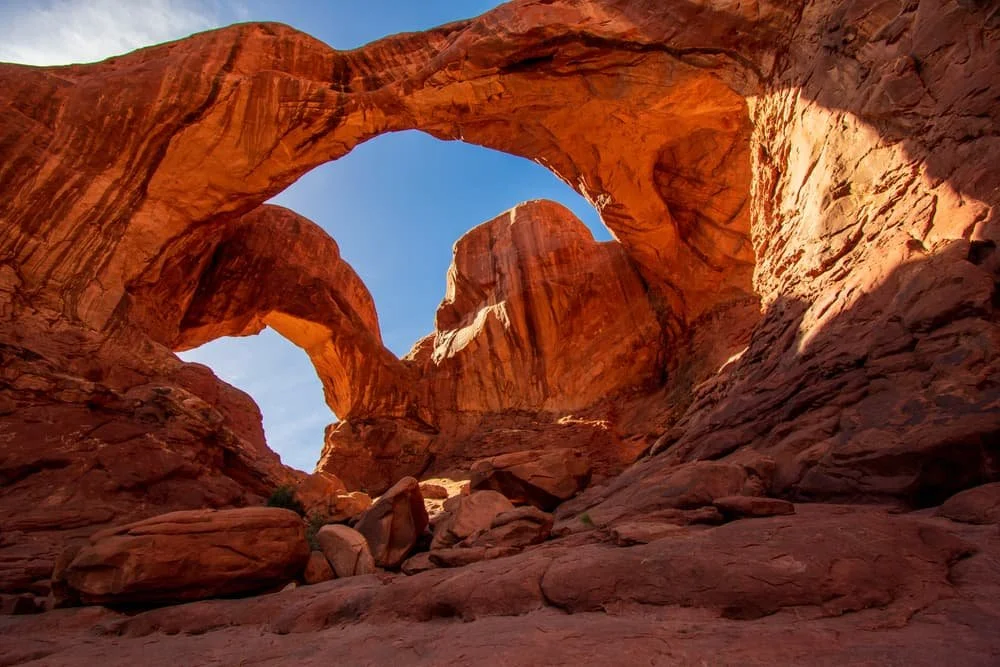
10 minutes from Moab by car at the very longest, Arches National Park features some of the iconic geology you’ll spot on any travel brochures that cover Utah. Even the state’s vehicle license plates feature the wind-worn stone gateways that are the centrepiece of the park.
Located on a salt bed, wind and rain have worn the rock from below, leaving solid arches behind that create catherdral-like structures that tower above the rocks below .The most famous of these arches, the epic Delicate Arch, is where you’ll encounter the biggest crowds. Other notable spots include the North Window and the physics-bending Landscape Arch, the fifth-longest in the world.
The park, like most in the US, is very drivable, and you can stick to the air conditioning while getting close enough to take it all in. However, lacing up your boots and following the trails that wind between the rocks give the best views – and photo opportunities.
Off the beaten track, more active hikers will find the Fiery Furnace. This section of the park requires a hiking permit, only obtainable after a safety and conservation briefing, but the extra effort is well worth it! Read our story on Fiery Furnace for more information.
Arches acts as a great starting point of any Mighty 5 road trip, thanks to proximity to Moab and its great selection of hotels, and the fact that the entrance to the next stop, Canyonlands, can be reached in under 40 minutes by car.
Canyonlands National Park
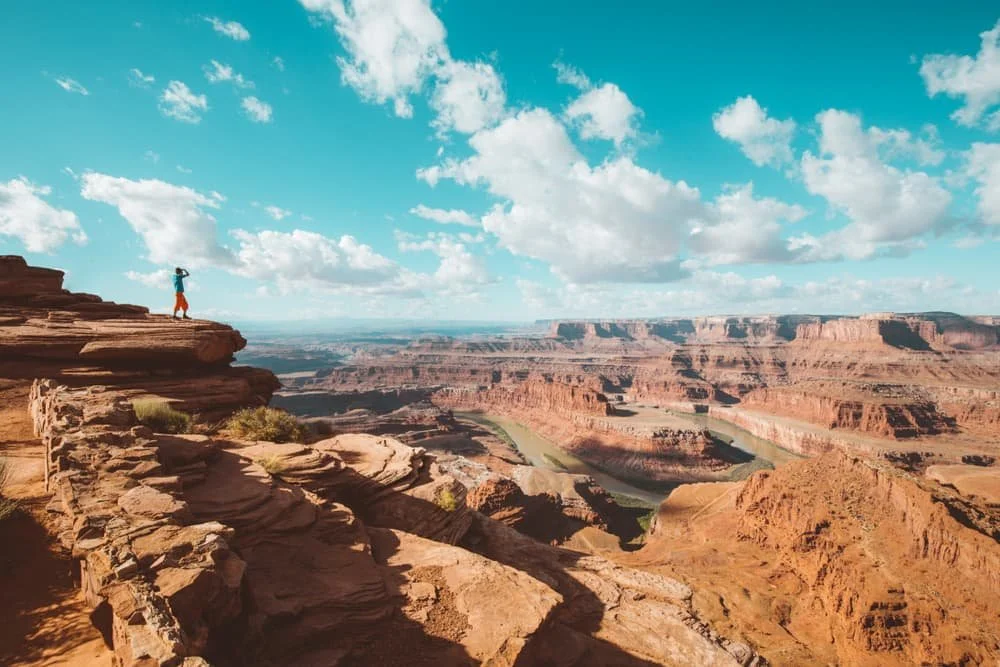
Canyonlands National Park isn’t a single spot where you park up, wander to a few features, squeeze in a hike then hit the gift shop – it’s a sprawling, epic landscape that reveals itself in chapters, rather than hitting you with the whole plot all at once. This is arguably the Utah national park that requires the most time and energy, with so much squeeze into a large area.
The park is organised intro three districts (Island in the Sky, Needles, The Maze) all of which are quite far apart. This is where having a car helps. It’s also a good idea to pick one or two and focus on them if you plan on spending most of your day hiking.
A good starting point is Island in the Sky, the most accessible district from Moab and a fantastic gateway to the park. Heading to Grand View Point is an epic introduction to the mesas and layered geology that gives Canyonlands a cinematic edge which is only exacerbated at sunrise and sunset.
Mesa Arch is the other must-see in Canyonlands. Again, sunrise is prime time, when you’ll hear an audible gasp from fellow visitors as the arch glows a soft orange, then a burning gold with the sun’s rays.
However, the park’s real magic happens away from the car parks and busy trails. Get onto the dirt tracks and explore the Needles district, where the striped sandstone create a surreal skyline. The Chesler Park Loop is also a solid trail that takes you through slot canyons and hidden meadows. Check out this excellent detailed report of hiking the Chesler Loop, including a few watch-outs, to make the most of it.
If you’re truly the adventurous type, and have plenty of extra water, correct gear and are good with maps (no cell service here at all), then The Maze is an adventure to commit to – just check with park staff about conditions and take on board all advice before heading there.
Bryce Canyon National Park

Despite being the smallest of the Big 5, Bryce Canyon still packs a punch with seemingly endless hoodoos, rock spires that can rise higher than a ten storey building and a jagged orange landscape more befitting Mars than Earth.
Settled by Mormon pioneers in the 1850s and named after one of the brave few who decided to call the rocky terrain home, The park was designated in 1928. Once again, early starts need to be on your Big 5 trip agenda as sunrise from, you guessed it, Sunrise Point is absolutely worth a 4 or 5am start. Here, the hoodoos quite literally glow, with each pinnacle almost switching on as the sun gets higher.
Bryce Canyon lends itself well to exploration on foot. The Navajo Loop stretches 2.6km and takes you past some of the park’s must sees, including Wall Street, a narrow switchbacked slot with incredibly steep sides, and the frankly terrifying Thor’s Hammer, which looks like it could topple with a nasty gust of window.
The Queen’s Garden Trail is another trail to consider, with fewer hoodoos and some beautiful winding pathways between ponderosa pines. If you squint, you’ll see the faint shape of a regla profile, but it may need some imagination.
A huge bonus is the Bryce Canyon’s proximity to Zion and Capitol Reef National Parks, meaning you can squeeze the three together if you’re short on time, or chain them together on a Big 5 road trip.
Capitol Reef National Park
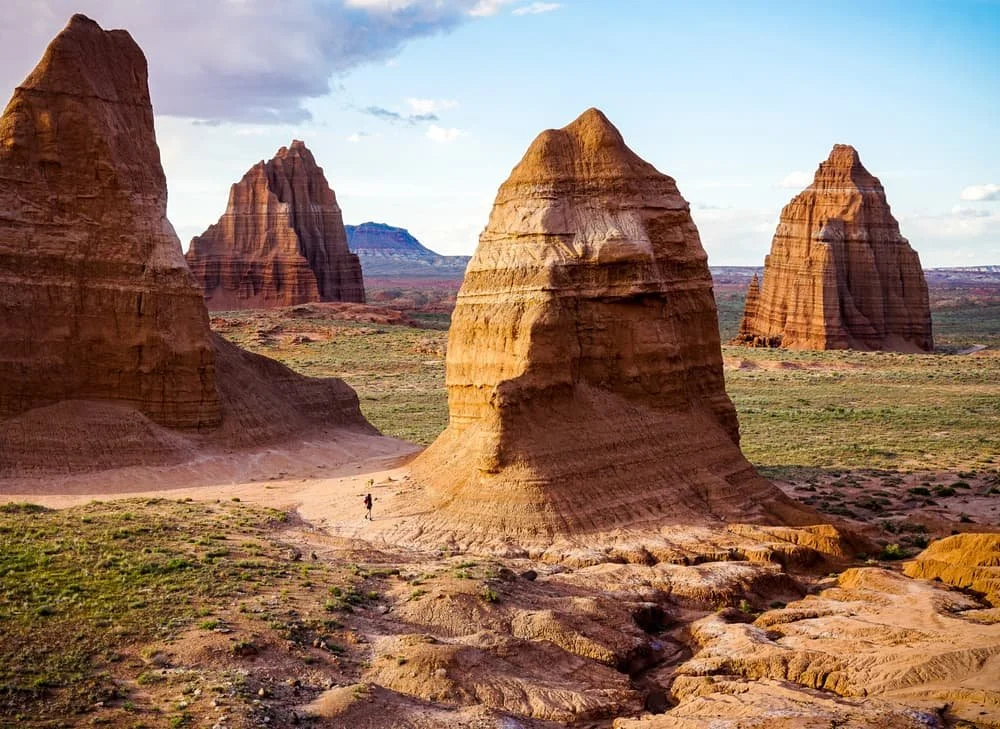
Like Canyonlands, and unlike Zion or Bryce Canyon, Capitol Reef isn’t a microcosm that warps itself around you. You’re going to feel very small as you stand on rock flats and take in sweeping views that make the sky feel twice as big.
Capitol Reef has a more desolate feel that’s helped by fewer overall visitors than the likes of Zion and Arches. The gigantic mesas that puncture the relatively flat landscape are filled with canyons and outcrops at their bases, creating some amazing natural playgrounds. Just remember to book your permits, check conditions and pack correctly before wandering off into a slot canyon.
The park’s centrepiece is Cathedral Valley, something you may recognise from a computer screensaver or travel brochure. Epic is the best word to describe the gigantic mesas that feel man-made. You can drive through the valley, but hiking with plenty of stop offs for photos and water breaks is the better way to do it.
If hiking in hot weather isn’t on your list of favourite things to do, then the 8 mile Capitol Reef Scenic Drive has all the incredible views you’ll need without having to leave an air-conditioned vehicle. Just avoid the dirt spur roads at Grand Wash and Capitol Gorge if you don’t have a 4x4, otherwise remember to head down them to escape any lines of traffic that can occur, especially in summer.
A must at Capitol Reef is a trip to Fruita, located within the park. This historic town is famous for its fruit orchards. If you visit during the harvest, you can even pick your own berries and nuts from the trees!
Zion National Park
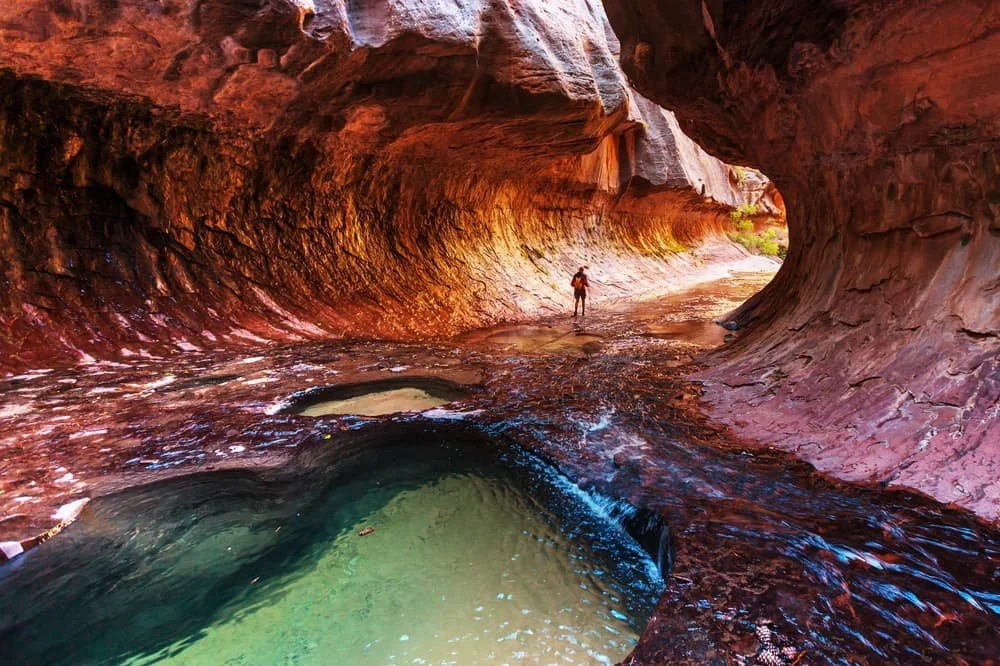
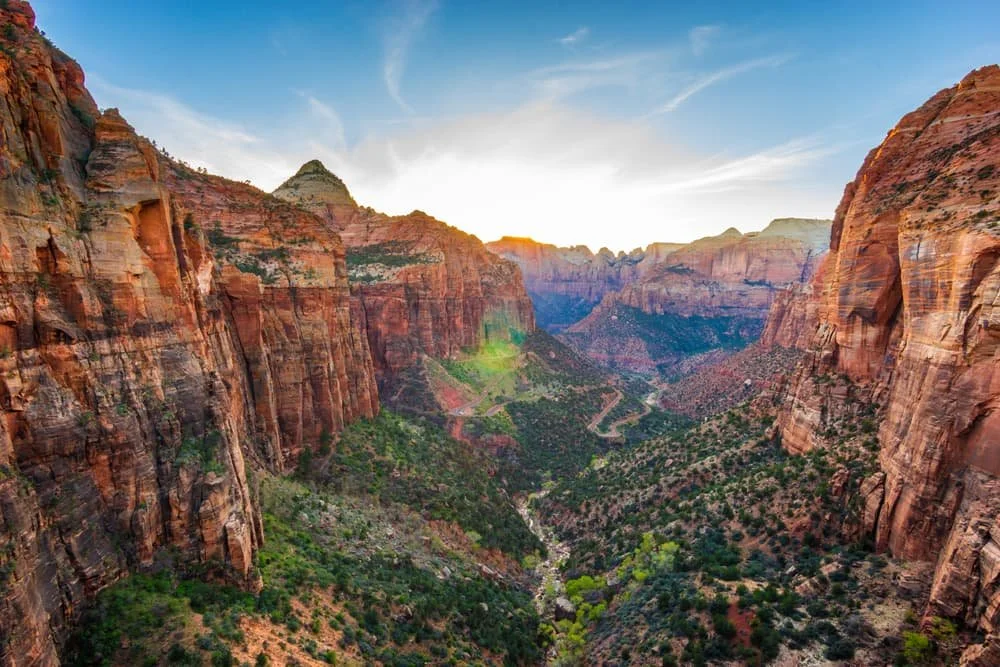
Easily Utah’s most famous, and one of the most famous US national parks. And the most crowded. But, it’s absolutely worth having to rub shoulders to experience incredible views, diverse wildlife and hikes that wrap around some of the best geology on earth.
Zion Canyon is the park’s main artery, travelling 15 miles from green pine forest to dramatic and orange red rocks downstream. Follow the course of the river towards the view from Angel’s Landing. The hike can be challenging, especially in hot weather, but the reward is one of the finest views in the US. Due to the hike’s popularity, you’ll need to apply for a hiking permit, which is drawn in a lottery-style system, so good luck! This useful guide has you covered,
The other ZIon must-see is The Subway, a slot canyon that has been shaped into a U, not unlike a subway tunnel. The bottom of the canyon carries a stream and opens a window into rocks that aren’t measured in years, but to the timeline of earth’s entire existence.
The best jumping-off point for Zion National Park is St George, where you’ll find hotels and motels, gas and stores stocking everything from snacks to climbing gear. It’s also a good entry and exit point if you’re flying onward to a major airport to return home, with the regional airport dedicated to Zion visitors. However, Salt Lake City and Las Vegas are both a few hours’ drive, so you can skip connecting flights if you need to.
How to See Them All, Plus Some Extras
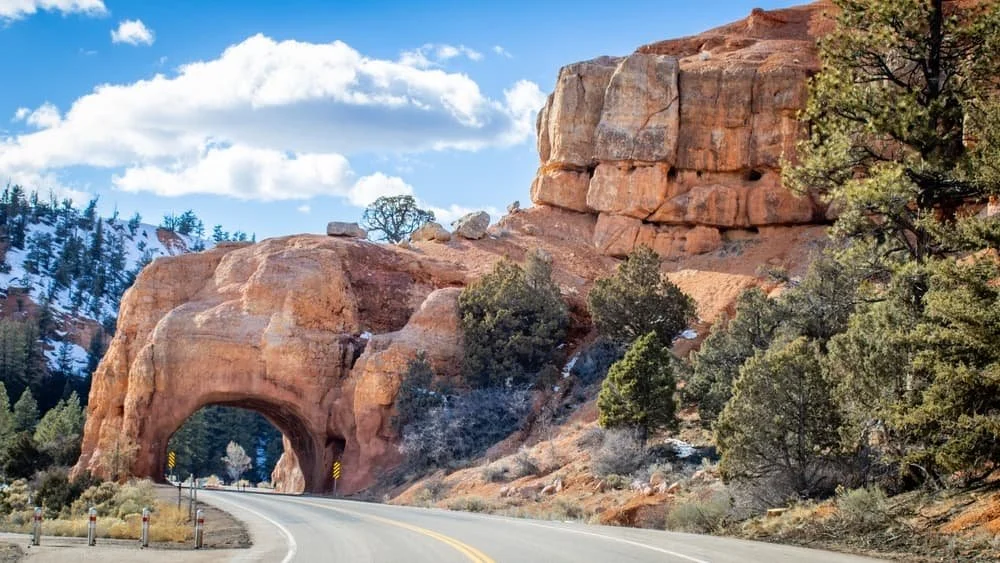
Depending on where you start from, you can do a straight-shoot road trip that calls in at all five national parks, or do a loop which brings you back to the best starting point for you. If you’re beginning in Las Vegas, then start with Zion and work your way north ending in Arches, then you can loop back or head onwards to Salt Lake City. Just reverse the direction if you’re coming south from SLC, or westward from Denver.
It’s also easy to include some other Utah landmarks and must-sees along the way. Fishlake National Forest, Dixie National Forest, Grand Staircase-Escalante and the incredible Castle Valley are all worth a quick diversion or extra day or two of sightseeing if you have extra time.\
From Zion National Park, a quick detour to Page, Arizona is a good idea too. Page is home to two of America’s best natural wonders; the enigmatic Antelope Canyon and Horseshoe Bend, a lopping meander in the Colorado River. You can cover both in a day, including travel time, as it’s around 2 hours from Zion to Antelope Canyon.
Read Next